Introduction
When people think about bees, the first thing that usually comes to mind is honey. But why bees are important for agriculture goes far beyond honey production. Bees play a vital role in pollination, helping many crops produce fruits, seeds, and food.
In reality, bees play one of the most important roles in global agriculture. Without them, many fruits, vegetables, nuts, seeds, and flowering plants would struggle to reproduce, leading to lower crop yields and reduced food diversity. Their daily work of transferring pollen from one flower to another supports healthy ecosystems and helps feed billions of people around the world.
Although bees are tiny insects, their impact on farming and food production is enormous. Every day, millions of bees visit flowers in search of nectar and pollen. During this process, they unknowingly help plants produce fruits and seeds, making them some of nature’s most efficient pollinators.
In this guide, we’ll explore why bees are so important for agriculture, how pollination works, which crops depend on bees, and why protecting bee populations is essential for the future of food production.
What Is Pollination?
Before understanding why bees are so valuable, it’s important to understand pollination.
Pollination is the process of transferring pollen from the male part of a flower (the anther) to the female part (the stigma). This allows many flowering plants to produce fruits, vegetables, seeds, and new plants.
Some plants rely on wind or water for pollination, but many of the crops people eat every day depend largely on insects. Among all pollinating insects, bees are considered the most effective and efficient pollinators because they actively collect pollen while moving from flower to flower.
Unlike many other insects that visit flowers only occasionally, bees spend most of their lives searching for nectar and pollen. This constant activity makes them incredibly valuable for agriculture.
Why Are Bees the Best Pollinators?
Bees possess several natural characteristics that make them exceptional pollinators.
They Visit Thousands of Flowers
A single worker bee can visit hundreds or even thousands of flowers during one day while collecting nectar and pollen for its colony.
Because bees travel continuously between flowers of the same plant species, they greatly improve successful pollination.
Their Bodies Collect Pollen Easily
Bees have tiny branched hairs covering their bodies.
As they land on flowers, pollen sticks naturally to these hairs. When the bee flies to another flower, part of the pollen is transferred, allowing fertilization to occur.
This simple process supports the growth of countless crops around the world.
They Work Every Day
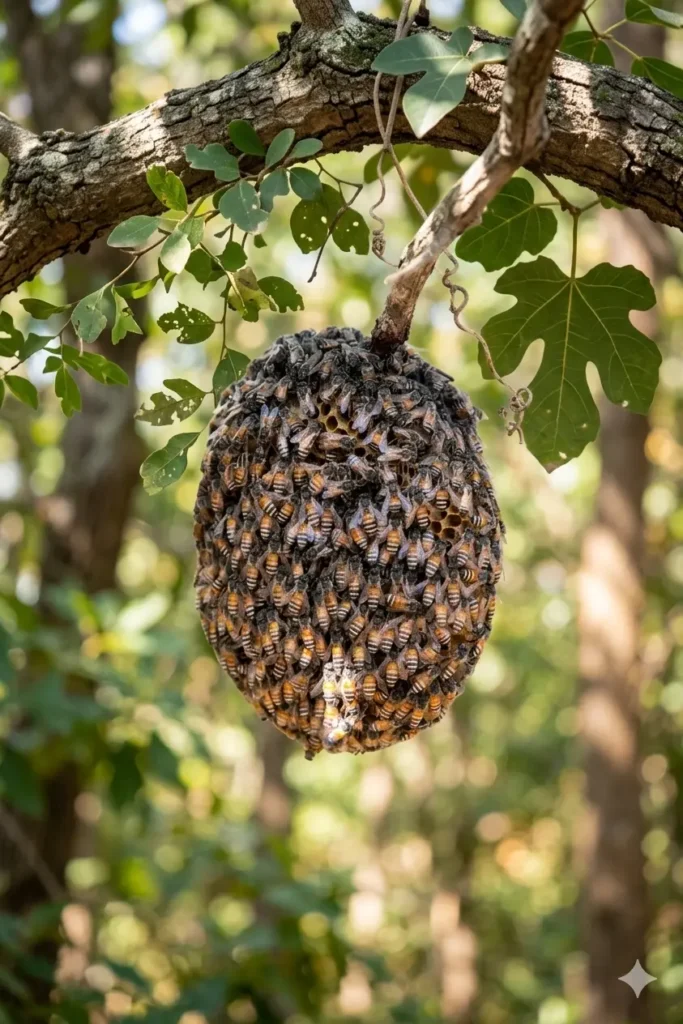
Honey bees live and work in highly organized colonies.
Thousands of worker bees leave the hive every day to collect nectar and pollen. This daily activity allows them to pollinate an enormous number of flowers throughout the flowering season.
Few other insects can match their consistency and efficiency.
Why Agriculture Depends on Bees
Modern agriculture depends heavily on healthy pollinator populations.
Many crops require successful pollination to produce fruits and seeds. Without enough pollinators, farmers may experience:
- Lower crop yields
- Poor fruit quality
- Smaller harvests
- Reduced seed production
- Lower farm income
Bees help farmers increase both the quantity and quality of many agricultural products.
Their work supports not only food production but also the livelihoods of millions of farmers worldwide.
Crops That Depend on Bee Pollination
Many popular foods exist because bees help pollinate the flowers that produce them.
Some common examples include:
Fruits
- Apples
- Pears
- Cherries
- Peaches
- Plums
- Mangoes
- Watermelons
- Melons
Vegetables
- Cucumbers
- Pumpkins
- Squash
- Zucchini
Nuts
- Almonds
- Cashews (partially)
- Macadamia nuts
Oilseed Crops
- Sunflowers
- Canola
- Mustard
Berries
- Strawberries
- Blueberries
- Raspberries
- Blackberries
Without bee pollination, many of these crops would produce fewer fruits or lower-quality harvests.
How Bees Help Farmers
Bees provide farmers with benefits that go far beyond producing honey.
Their pollination services help:
- Increase crop production
- Improve fruit size
- Produce more uniform fruits
- Improve seed quality
- Increase overall farm profitability
For this reason, many commercial farmers actively encourage bee populations or even rent managed bee colonies during flowering seasons to improve pollination.
Bees Support Biodiversity
Agriculture isn’t the only area that benefits from bees.
Bees also help pollinate countless wild plants, trees, shrubs, and flowers that support birds, insects, and other wildlife.
Healthy bee populations contribute to:
- Stronger ecosystems
- Greater plant diversity
- Healthier forests
- More wildlife habitats
- Better environmental balance
Protecting bees means protecting nature itself.
Why Bee Populations Are Declining
Although bees are incredibly important, many species face growing challenges.
Some of the major threats include:
- Habitat loss
- Excessive pesticide use
- Climate change
- Diseases and parasites
- Loss of flowering plants
These factors reduce bee populations and make pollination more difficult in many agricultural regions.
Because of this, scientists, farmers, and conservation organizations are working together to protect bee habitats and encourage sustainable farming practices.
How Honey Bees Help Farmers Increase Crop Yields
Honey bees are among the most valuable partners in modern agriculture. While farmers prepare the soil, plant seeds, and care for their crops, bees perform an equally important task—pollination.
When bees visit flowers to collect nectar and pollen, they transfer pollen between blossoms, allowing plants to produce fruits, vegetables, and seeds. Better pollination often leads to:
- Higher crop yields
- Better-quality fruits
- More uniform fruit size
- Increased seed production
- Improved harvest consistency
Because of these benefits, many commercial farms place managed honey bee colonies near their fields during the flowering season. In many cases, successful pollination can make a significant difference in the overall harvest.
Wild Bees vs Honey Bees in Agriculture
Although honey bees receive most of the attention, they are not the only important pollinators.
Honey Bees
Honey bees live in large colonies that can contain tens of thousands of bees. Because they can be managed by beekeepers and transported to farms, they play a major role in commercial agriculture around the world.
Honey bees are especially valuable for pollinating large fields of crops during peak flowering seasons.
Wild Bees
Wild bees include many different species, such as bumblebees, carpenter bees, mason bees, and leafcutter bees.
Unlike honey bees, many wild bees live alone rather than in colonies. Despite their smaller numbers, they are often highly efficient pollinators for certain crops and native plants.
Healthy ecosystems benefit from both managed honey bees and wild bee populations working together.
Which Countries Depend Most on Bee Pollination?
Bee pollination supports agriculture across the globe. Countries that produce large quantities of fruits, vegetables, nuts, and oilseed crops rely heavily on healthy bee populations.
Some of the countries where bee pollination plays a vital role include:
- United States
- China
- India
- Brazil
- Canada
- Australia
- Spain
- Turkey
- Mexico
- Italy
These countries grow a wide variety of crops that depend on insect pollination for successful production.
How Bees Support Agriculture in Pakistan
Pakistan is home to a rich variety of flowering plants and agricultural crops, making bees an important part of the country’s farming sector.
Honey bees help pollinate crops such as:
- Mustard
- Sunflowers
- Citrus fruits
- Mango orchards
- Guava
- Watermelon
- Melons
- Various vegetables
Several regions are known for beekeeping and honey production, including parts of:
- Punjab
- Khyber Pakhtunkhwa (KP)
- Azad Jammu & Kashmir
- Northern mountainous areas
These regions provide diverse floral sources that support both honey production and agricultural pollination.
The Connection Between Honey Production and Farming
Many people think bees exist mainly to produce honey.
In reality, pollination is their most important contribution to agriculture, while honey is a natural result of their daily work.
As bees collect nectar to produce honey, they also pollinate thousands of flowers. This means that healthy bee populations benefit both beekeepers and farmers at the same time.
Strong bee colonies often support:
- Better crop production
- Greater biodiversity
- Increased honey harvests
- Healthier ecosystems
Honey production and agriculture are closely connected, with each benefiting from healthy bee populations.
How You Can Help Protect Bees
Everyone can play a small role in protecting bees and supporting the environment.
Here are a few simple ways to help:
Plant Bee-Friendly Flowers
Grow flowering plants that provide nectar and pollen throughout the year.
Reduce Pesticide Use
Using pesticides responsibly can help reduce harm to bees and other beneficial insects.
Support Local Beekeepers
Buying pure honey from responsible beekeepers encourages sustainable beekeeping practices.
Protect Natural Habitats
Wildflowers, forests, and green spaces provide essential food and shelter for many bee species.
Spread Awareness
Teaching others about the importance of bees helps encourage conservation efforts within local communities.
Bees in the Quran and Islamic Teachings
Bees hold a special place in Islam.
Allah (SWT) dedicated an entire chapter of the Quran to the bee:
Surah An-Nahl (The Bee).
The Quran describes how Allah inspired the bees to build their homes and produce honey, which contains healing for people.
This reminds Muslims that bees are among Allah’s remarkable creations and that their work reflects His wisdom in nature.
For many Muslims, learning about bees not only increases appreciation for the environment but also strengthens reflection on the signs of Allah found throughout creation.
Final Thoughts
Although bees are small creatures, their contribution to agriculture is truly extraordinary.
From pollinating crops and supporting biodiversity to helping farmers improve harvests and producing one of nature’s most remarkable foods—honey—bees are essential to life on Earth.
Protecting bees means protecting our food supply, supporting farmers, preserving natural ecosystems, and ensuring that future generations continue to benefit from the incredible work these tiny pollinators perform every day.
Whether you enjoy honey, grow plants in your garden, or simply appreciate the beauty of nature, understanding the importance of bees reminds us that even the smallest creatures can have an enormous impact on the world around us.
Explore More About Pure Honey
Continue exploring our collection of helpful honey guides to learn more about choosing, using, storing, and enjoying pure natural honey.
-
10 Signs You’re Buying Fake Honey
Learn how to identify common warning signs before purchasing honey. -
How to Test if Your Honey is 100% Pure and Raw at Home
Discover simple ways to better understand the characteristics of genuine honey. -
Raw Honey vs Processed Honey: Which One Is Better?
Compare the differences between raw and processed honey. -
How to Use Honey Every Day: 15 Healthy Ideas
Learn about proper storage, shelf life, and crystallization. -
The Sunnah of Raw Honey: Healing and Health Benefits in Islamic Tradition
Explore the significance of honey in Islamic teachings and tradition.