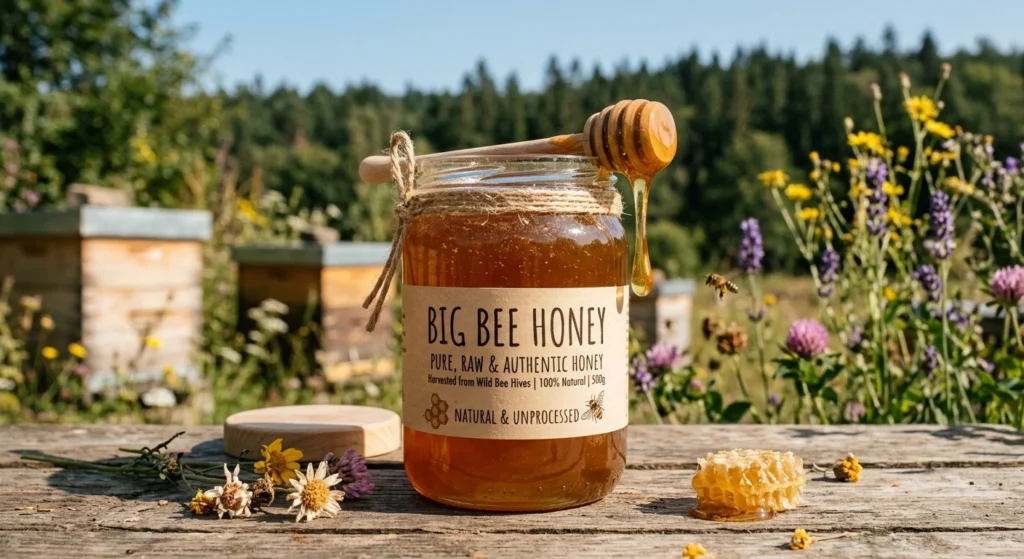
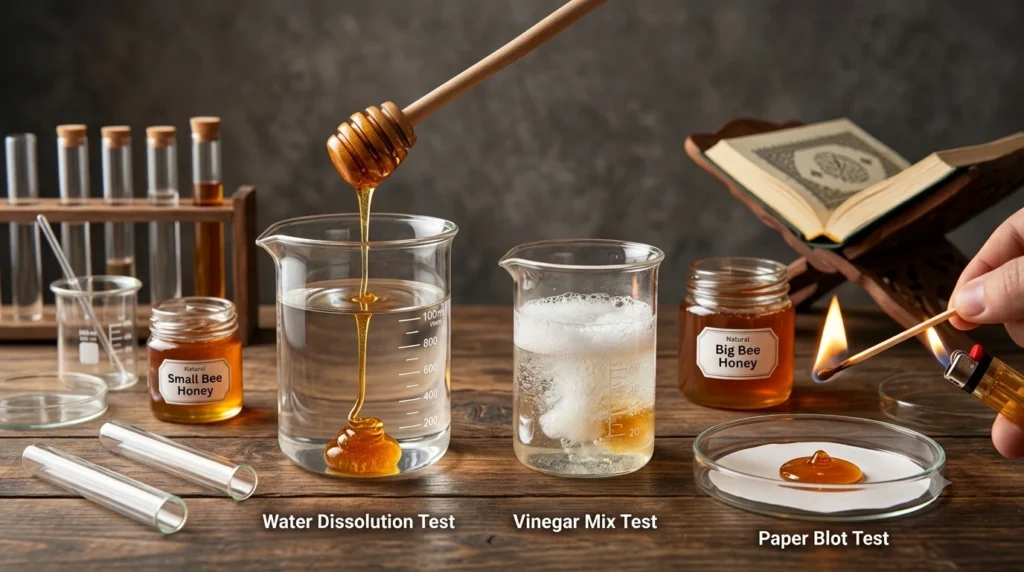
When comparing Big Bee Honey vs Small Bee Honey, you may notice differences in flavor, texture, production quantity, and availability. At first glance, they may seem like the same product, but they are produced by different bee species and can have distinct characteristics.
Many people believe that one type is always better than the other. In reality, both are natural products with their own unique qualities. Understanding these differences can help you choose the honey that best matches your taste, preferences, and intended use.
In this guide, we’ll explore the key differences between Big Bee Honey and Small Bee Honey, explain how each is produced, and answer one of the most common questions: Which one is better?
What Is Big Bee Honey?
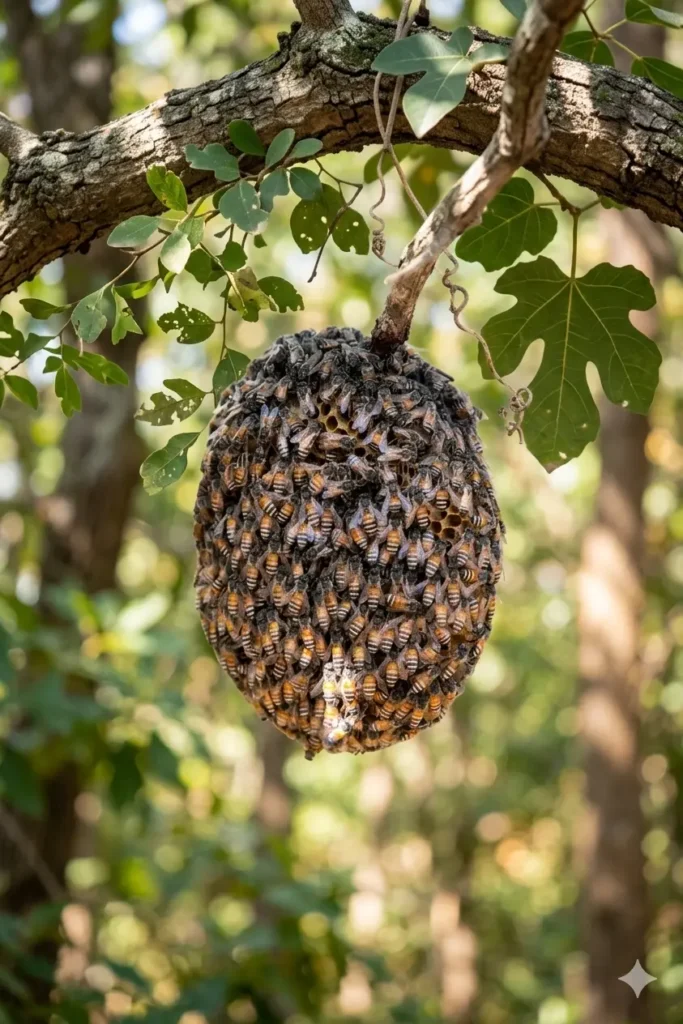
Big Bee Honey is produced by larger honey bee species that live in well-organized colonies. These bees work together to collect nectar from flowering plants and convert it into honey, which they store inside wax honeycombs for future use.
Because these colonies contain thousands of worker bees, they are capable of producing relatively large amounts of honey during a flowering season. This is one reason why Big Bee Honey is more commonly available in local markets and online stores.
Characteristics of Big Bee Honey
Big Bee Honey is known for several characteristics:
- It is usually produced in larger quantities.
- It often has a thick and smooth consistency.
- Its color can range from light golden to dark amber depending on the flowers visited by the bees.
- The flavor is generally mild, naturally sweet, and suitable for everyday use.
- It is commonly harvested by professional beekeepers using managed hives.
Because of its availability and balanced taste, Big Bee Honey is a popular choice for families who use honey regularly.
What Is Small Bee Honey?
Small Bee Honey is produced by much smaller bee species, including certain native bees and stingless bees found in different regions of the world. These bees build much smaller nests and naturally produce far less honey than larger honey bees.
Since their colonies are smaller and honey production is limited, this type of honey is often considered more difficult to obtain.
Many people appreciate Small Bee Honey for its distinctive flavor and rarity.
Characteristics of Small Bee Honey
Small Bee Honey typically has the following features:
- Produced in limited quantities.
- Often has a thinner consistency than conventional honey.
- May have a slightly tangy or mildly acidic taste.
- Usually harvested from smaller natural colonies.
- Often considered a specialty honey because of its limited supply.
The exact characteristics can vary depending on the bee species and the plants available in the surrounding environment.
Why Are They Different?
One of the biggest reasons for the difference is the bee species itself.
Different bees have different behaviors, body sizes, nesting habits, and foraging patterns. They may visit different flowers, collect nectar in different ways, and live in different climates.
As a result, the honey they produce can naturally vary in:
- Taste
- Aroma
- Color
- Texture
- Moisture content
- Production quantity
These natural differences make every type of honey unique.
Does Bee Size Affect Honey Quality?
This is one of the most frequently asked questions.
The simple answer is No.
The quality of honey is not determined by the size of the bee.
Instead, quality depends on several important factors, including:
- Whether the honey is pure and unadulterated.
- The flowers from which the nectar was collected.
- The harvesting process.
- Proper storage after harvesting.
- Moisture content.
- Freshness.
Both Big Bee Honey and Small Bee Honey can be excellent choices when they are harvested responsibly and remain free from unnecessary additives or excessive processing.
Taste Comparison
Taste is one of the most noticeable differences between the two.
Big Bee Honey generally has a smooth, rich sweetness that most people are familiar with. Depending on the floral source, it may have mild fruity or floral notes.
Small Bee Honey, on the other hand, often has a more distinctive flavor. Some varieties are slightly tangy or mildly acidic, while others have complex earthy notes.
Neither flavor is better than the other—it simply depends on personal preference.
Color Comparison
Honey naturally comes in many different shades.
Big Bee Honey may appear:
- Light golden
- Amber
- Dark amber
Small Bee Honey may also vary in color depending on the flowers visited by the bees and the local environment.
It’s important to remember that color alone is not an indicator of quality or purity. Both light and dark honey can be completely natural.
Texture Comparison
The texture of honey can also differ.
Big Bee Honey is often thicker and smoother.
Small Bee Honey may appear thinner because some bee species naturally produce honey with a higher moisture content.
Natural crystallization can occur in both types of honey over time and is generally considered a normal characteristic of many raw honeys.
Which One Is Better?
This is one of the most common questions people ask when comparing Big Bee Honey and Small Bee Honey.
The honest answer is that neither type is universally better. The right choice depends on your personal preferences, how you plan to use the honey, and whether the honey is genuinely pure and responsibly harvested.
If you prefer a honey that is smooth, naturally sweet, and easy to find, Big Bee Honey is an excellent choice for daily use. It works well in tea, breakfast, desserts, and everyday cooking.
If you enjoy trying rare honey varieties with a more distinctive flavor and don’t mind paying a little extra, Small Bee Honey may be worth considering.
Instead of asking “Which honey is better?”, the better question is:
“Which honey is better for my needs?”
Nutritional Comparison
Many people assume that one type of honey contains significantly more nutrients than the other. In reality, the nutritional value of honey depends on several factors, including:
- The flowers visited by the bees.
- The surrounding environment.
- Climate and season.
- Harvesting methods.
- Storage conditions.
What Both Types Naturally Contain
Both Big Bee Honey and Small Bee Honey naturally contain:
- Natural sugars
- Antioxidants
- Amino acids
- Natural enzymes
- Small amounts of vitamins
- Essential minerals
Because every batch of honey is different, the exact nutritional profile may vary.
The most important factor is choosing pure, natural honey rather than focusing only on the size of the bees.
Why Is Small Bee Honey Usually More Expensive?
Many customers notice that Small Bee Honey often costs more than Big Bee Honey.
This difference is mainly due to production rather than quality.
Limited Honey Production
Small bee colonies naturally produce much less honey than larger honey bee colonies.
Since supply is limited, the price is usually higher.
Smaller Colonies
Large honey bee colonies may contain tens of thousands of worker bees collecting nectar every day.
Small bee colonies contain far fewer bees, resulting in lower honey production.
More Time and Care
Harvesting honey from smaller colonies often requires more manual effort and produces a lower yield.
This contributes to the higher market price.
Which Type of Honey Is More Common in Pakistan?
Pakistan produces many varieties of natural honey thanks to its diverse climate and flowering plants.
Big Bee Honey is generally more common because most commercial beekeepers use larger honey bee species that produce higher quantities of honey.
Small Bee Honey is also available in certain regions but is usually produced in much smaller amounts, making it more difficult to find in regular markets.
Availability depends on:
- The region.
- Bee species.
- Local flora.
- Harvest season.
How to Choose the Right Honey
Choosing high-quality honey is more important than choosing between big bees and small bees.
Buy from a Trusted Seller
Always purchase honey from a reliable source that provides clear information about its origin and harvesting practices.
Check the Floral Source
If available, learn which flowers the bees collected nectar from, as this influences the honey’s taste, aroma, and color.
Understand Natural Variations
Natural honey may differ in color, thickness, or flavor from one season to another.
These variations are completely normal and are often a sign of genuine honey.
Common Myths About Big Bee Honey and Small Bee Honey
There are many misconceptions surrounding natural honey.
Let’s look at a few common myths.
Myth 1 – Small Bee Honey Is Always Better
There is no scientific rule that one type is always better than the other.
The quality of honey depends on its purity, floral source, harvesting method, and storage—not simply the size of the bee.
Myth 2 – Big Bee Honey Is Less Natural
This is false.
Pure Big Bee Honey is just as natural as Small Bee Honey when harvested responsibly.
Myth 3 – Expensive Honey Is Always Higher Quality
A higher price often reflects lower production and limited availability rather than better quality.
Always consider purity and authenticity before making a purchase.
Myth 4 – All Honey Tastes the Same
Honey can vary greatly depending on:
- Flower source
- Climate
- Bee species
- Season
- Geographic location
Every batch of natural honey has its own unique characteristics.
Our Recommendation
Both Big Bee Honey and Small Bee Honey have their own strengths.
If you’re looking for honey for everyday family use, Big Bee Honey is an excellent choice because it is widely available, versatile, and naturally sweet.
If you enjoy exploring specialty honey with unique flavors and limited production, Small Bee Honey is worth trying when purchased from a trusted source.
Ultimately, the best honey is the one that is pure, authentic, responsibly harvested, and suited to your personal preferences.
Conclusion
Big Bee Honey and Small Bee Honey are both wonderful examples of nature’s diversity. While they differ in the bee species that produce them, their flavor, texture, availability, and production levels, neither is automatically superior to the other.
The key to choosing quality honey is understanding its source, ensuring its purity, and buying from producers you trust.
Whether you prefer the smooth sweetness of Big Bee Honey or the distinctive character of Small Bee Honey, both offer a unique experience and reflect the incredible work of bees in producing one of the world’s most treasured natural foods.
Explore More About Pure Honey
Continue exploring our collection of helpful honey guides to learn more about choosing, using, storing, and enjoying pure natural honey.
-
10 Signs You’re Buying Fake Honey
Learn how to identify common warning signs before purchasing honey. -
How to Test if Your Honey is 100% Pure and Raw at Home
Discover simple ways to better understand the characteristics of genuine honey. -
Raw Honey vs Processed Honey: Which One Is Better?
Compare the differences between raw and processed honey. -
How to Use Honey Every Day: 15 Healthy Ideas
Learn about proper storage, shelf life, and crystallization. -
The Sunnah of Raw Honey: Healing and Health Benefits in Islamic Tradition
Explore the significance of honey in Islamic teachings and tradition.
🐝 External Authorities on Bee Species & Honey Composition
USDA Agricultural Research Service
Scientific research comparing foraging behavior, nectar gathering capacity, and honey composition between large and stingless/small bee species.
FAO (Beekeeping & Apiculture)
Global apiculture guidelines on Apis dorsata (giant honey bees), Apis florea (small honey bees), and stingless bee honey harvesting.
ScienceDirect (Entomology & Food Chemistry)
Peer-reviewed studies on moisture levels, enzyme profiles, viscosity, and chemical differences between honey from distinct bee species.