Introduction
Honey has been treasured for thousands of years, not only for its natural sweetness but also for its importance in different cultures, traditional practices, and cuisines around the world. The world’s best honey can come from different regions depending on floral sources, climate, geography, and traditional production methods. Today, honey lovers often look beyond sweetness and consider the origin, purity, flavor, aroma, and quality of honey.
You may have noticed that some honey is light golden while others are dark amber. Some varieties remain liquid for a long time, while others naturally crystallize after a few months. These differences are not signs of quality problems—they are often the result of different flowers, climates, bee species, and geographical conditions.
Many people also wonder where the world’s best honey comes from. Is it produced in Europe, Asia, the Middle East, or somewhere else? Which countries produce the largest quantities of honey? Does producing the most honey also mean producing the best-quality honey?
In this comprehensive guide, we’ll explore the world’s leading honey-producing countries, explain why certain regions are ideal for beekeeping, and later discover why Pakistan is home to some of the finest natural honey found in South Asia.
How Is Honey Produced?
Before exploring the world’s largest honey-producing countries, it helps to understand how honey is made.
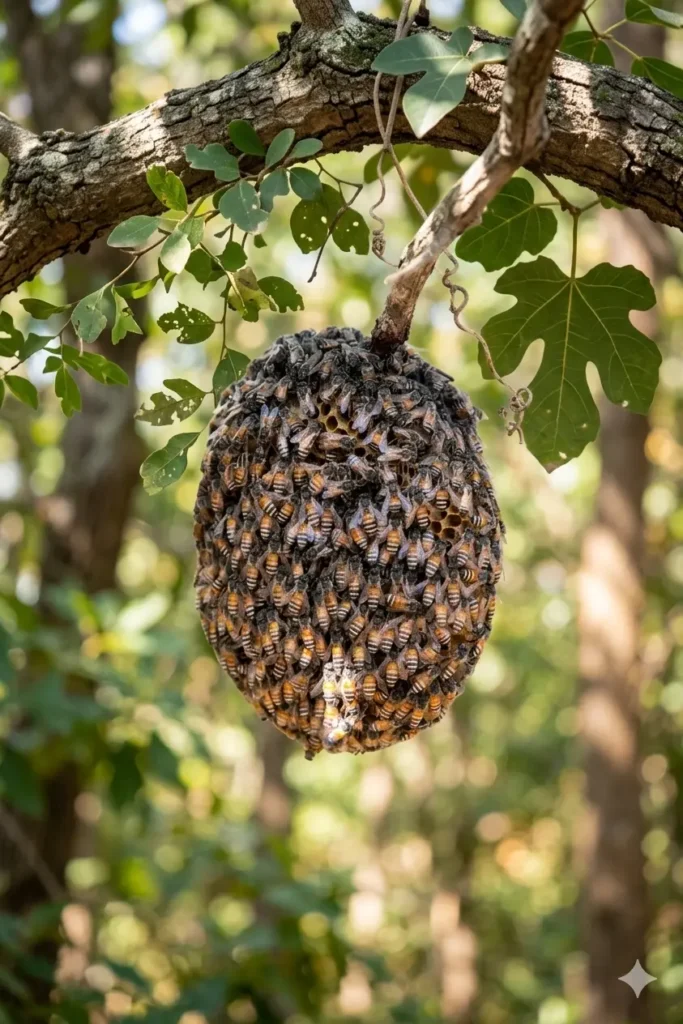
Honey begins with flowers. Worker bees collect nectar from blossoms and store it in a special honey stomach. After returning to the hive, the nectar is passed between bees, where natural enzymes gradually transform it into honey.
The bees then deposit the honey into honeycomb cells and fan their wings to reduce the moisture content. Once the honey reaches the right consistency, the cells are sealed with a thin layer of beeswax, allowing the honey to remain naturally preserved.
This remarkable process has remained unchanged for millions of years.
What Makes a Country Ideal for Honey Production?
Not every country can produce large quantities of honey. Several natural factors work together to create ideal conditions for healthy bee colonies and abundant nectar sources.
Rich Floral Diversity
The more flowering plants available throughout the year, the more nectar bees can collect. Countries with forests, orchards, wildflowers, and agricultural crops often produce larger amounts of honey.
Favorable Climate
Moderate temperatures allow bees to forage for longer periods. Regions with long flowering seasons generally support greater honey production than areas with harsh winters or prolonged droughts.
Healthy Bee Populations
A strong population of honey bees is essential for consistent honey production. Successful beekeeping also depends on proper hive management and disease control.
Forests and Natural Landscapes
Mountain forests, valleys, and protected natural areas often provide diverse nectar sources that contribute to unique honey flavors.
Experienced Beekeepers
Modern beekeeping techniques, proper hive care, and sustainable harvesting methods help improve both the quantity and quality of honey produced each year.
The Top Honey-Producing Countries in the World
Honey is produced on every inhabited continent, but a handful of countries account for a significant share of the world’s total production.
Let’s explore some of the leading honey-producing nations.
🇨🇳 1. China – The World’s Largest Honey Producer
China consistently ranks as the world’s largest honey producer, contributing a substantial portion of global honey production each year.
Several factors explain China’s success:
- Large-scale commercial beekeeping
- Vast agricultural land
- Diverse flowering crops
- Millions of managed bee colonies
- Advanced honey processing facilities
Chinese honey is exported to many countries around the world and plays a major role in the international honey market.
Although China produces enormous quantities of honey, consumers often prefer purchasing from trusted suppliers because honey quality can vary depending on the producer and processing methods.
🇹🇷 2. Turkey – Famous for Premium Natural Honey
Turkey is widely recognized for producing high-quality honey thanks to its rich biodiversity and mountainous landscapes.
The country is especially famous for:
- Pine Honey
- Chestnut Honey
- Wildflower Honey
- Mountain Honey
Many Turkish beekeepers continue to use traditional methods that help preserve the natural characteristics of honey.
🇦🇷 3. Argentina – One of the World’s Largest Honey Exporters
Argentina has built a strong international reputation for producing premium-quality honey.
Its vast grasslands and agricultural regions provide bees with an excellent variety of flowering plants.
Argentine honey is exported to Europe, North America, and many other international markets.
🇮🇷 4. Iran – Rich in Traditional Beekeeping
Iran has a long history of beekeeping and produces a wide variety of natural honey.
Its mountainous regions provide excellent forage for bees, resulting in distinctive floral flavors.
Honey remains an important part of traditional diets in many parts of the country.
🇮🇳 5. India – A Land of Diverse Honey Varieties
India’s diverse climate allows beekeepers to harvest many different types of honey.
Popular varieties include:
- Mustard Honey
- Eucalyptus Honey
- Litchi Honey
- Wild Forest Honey
- Multi-Floral Honey
The country’s growing awareness of natural foods has also increased domestic demand for honey.
🇺🇦 6. Ukraine
Ukraine has long been known for its sunflower fields, making sunflower honey one of its most famous products.
Its fertile agricultural landscape supports millions of bee colonies every year.
🇺🇸 7. United States
The United States produces honey across many states, with major beekeeping operations found in places such as California, North Dakota, South Dakota, Florida, and Texas.
American honey includes:
- Clover Honey
- Orange Blossom Honey
- Wildflower Honey
- Alfalfa Honey
🇪🇹 8. Ethiopia
Ethiopia is one of Africa’s leading honey producers.
Traditional beekeeping remains common, and honey plays an important role in local food culture and the production of traditional beverages.
🇷🇺 9. Russia
Russia’s vast forests and wild landscapes provide excellent environments for bees.
Wildflower and forest honey are especially popular.
🇲🇽 10. Mexico
Mexico has become an important exporter of natural honey.
Its tropical climate supports flowering plants throughout much of the year, allowing beekeepers to harvest high-quality honey from various floral sources.
Did You Know?
Honey is produced on every inhabited continent.
More than 90 countries produce honey commercially.
Millions of honey bee colonies help pollinate crops while producing honey.
The flavor of honey depends more on the flowers visited by bees than on the bees themselves.
Every jar of natural honey reflects the climate, plants, and environment where it was produced.
Which Countries Consume the Most Honey?
Honey is produced in many parts of the world, but consumption patterns vary significantly from one country to another. In some nations, honey is a daily breakfast staple, while in others it is mainly used for cooking, desserts, or traditional remedies.
Several factors influence honey consumption, including cultural traditions, dietary habits, religious practices, and the availability of locally produced honey.
Countries where honey has been part of daily life for generations often have higher per-person consumption than countries where honey is considered a luxury or occasional food.
🇩🇪 Germany – One of the World’s Largest Honey Consumers
Germany is widely recognized as one of the world’s biggest honey-consuming countries on a per-person basis.
Honey is commonly enjoyed:
- Spread on bread at breakfast.
- Mixed into tea and herbal drinks.
- Used in baking.
- Added to yogurt and cereals.
- Included in traditional desserts.
Although Germany produces honey domestically, local demand is so high that it also imports significant quantities from other countries.
This reflects how deeply honey is integrated into everyday eating habits.
🇹🇷 Turkey – A Nation That Loves Honey
Turkey is not only one of the world’s leading honey producers but also one of its biggest consumers.
Honey is a common part of Turkish breakfasts and is often served with:
- Fresh bread
- Butter
- Yogurt
- Cheese
- Traditional pastries
Turkey is also famous for regional honey varieties such as pine honey and chestnut honey, each offering its own unique flavor profile.
🇬🇷 Greece – A Mediterranean Tradition
In Greece, honey has been enjoyed since ancient times.
Greek honey is commonly paired with:
- Greek yogurt
- Fresh fruits
- Nuts
- Herbal teas
- Traditional pastries
Thyme honey, produced from bees visiting thyme flowers, is especially well known for its distinctive aroma and taste.
Honey remains an important ingredient in many Mediterranean recipes.
🇸🇦 Saudi Arabia and the Gulf Region
Honey holds special cultural and religious significance throughout Saudi Arabia and many Gulf countries.
It is often:
- Enjoyed with breakfast.
- Added to warm milk or herbal drinks.
- Served to guests.
- Given as a premium gift.
- Used in traditional foods.
Many people also prefer premium varieties such as Sidr honey because of their unique flavor and reputation.
🇳🇿 New Zealand
New Zealand has gained international recognition for producing Manuka honey.
Although much of its honey is exported, local consumers also value honey as part of a healthy lifestyle.
Honey is frequently enjoyed with:
- Breakfast foods
- Smoothies
- Herbal teas
- Baking recipes
Why Is Honey More Popular in Some Countries?
Several factors influence how frequently people consume honey.
Local Availability
Countries with strong beekeeping industries usually have easier access to fresh honey.
When honey is widely available, it naturally becomes part of everyday meals.
Traditional Cuisine
Many traditional recipes include honey as a natural sweetener.
From Middle Eastern desserts to European pastries, honey has played an important role in cooking for centuries.
Health-Conscious Lifestyles
As more people reduce their intake of refined sugar, honey has become a popular natural alternative.
Many consumers appreciate its distinctive flavor and versatility in everyday recipes.
Cultural and Religious Traditions
In many Muslim communities, honey is valued because it is mentioned in the Quran and Islamic tradition.
Its cultural significance has encouraged its continued use across generations.
Similarly, honey has held symbolic importance in many ancient civilizations around the world.
Does Expensive Honey Always Mean Better Quality?
One common misconception is that the most expensive honey must always be the best.
In reality, price alone does not determine quality.
Several factors influence the cost of honey:
- Limited floral sources.
- Difficult harvesting conditions.
- Small-scale production.
- Transportation costs.
- Packaging and branding.
Some premium honeys are genuinely rare because they come from specific flowers or remote mountain regions.
However, a higher price does not automatically guarantee better taste or authenticity.
Consumers should always purchase honey from trusted suppliers who provide clear information about its origin.
Why Does Honey Taste Different Around the World?
One of the most fascinating things about honey is that no two varieties taste exactly alike.
The flavor depends largely on the flowers visited by bees.
For example:
Wildflower Honey
Usually has a balanced floral taste that varies with the local plants available during the flowering season.
Forest Honey
Often darker in color with a richer, stronger flavor.
Citrus Blossom Honey
Typically lighter in color with delicate fruity notes.
Pine Honey
Known for its unique earthy taste and lower sweetness compared to many floral honeys.
Sidr Honey
Highly valued for its rich aroma, thick texture, and distinctive flavor.
How Climate Influences Honey Quality
Climate plays an essential role in shaping the characteristics of honey.
Warm Regions
Long flowering seasons allow bees to collect nectar for extended periods.
This often results in larger honey harvests.
Mountain Regions
Cooler temperatures and diverse wildflowers often produce honey with more complex flavors and aromas.
Mountain honey is frequently appreciated for its unique floral character.
Rainfall
Adequate rainfall supports healthy flowering plants.
Without flowers, bees have fewer nectar sources, reducing honey production.
Seasonal Changes
Different flowering seasons produce different types of honey.
This is why the taste and color of honey can vary from one harvest to another—even within the same country.
A Jar of Honey Tells the Story of Its Environment
Every spoonful of natural honey reflects the landscape where it was produced.
The flowers, climate, soil, altitude, rainfall, and even the local ecosystem all contribute to the honey’s final characteristics.
Rather than asking which country’s honey is “the best,” it is often more meaningful to appreciate the unique qualities that each region offers.
Whether it comes from mountain forests, citrus orchards, wildflower meadows, or traditional apiaries, authentic honey carries the signature of the environment in which it was created.
Explore More About Pure Honey
Continue exploring our collection of helpful honey guides to learn more about choosing, using, storing, and enjoying pure natural honey.
-
10 Signs You’re Buying Fake Honey
Learn how to identify common warning signs before purchasing honey. -
How to Test if Your Honey is 100% Pure and Raw at Home
Discover simple ways to better understand the characteristics of genuine honey. -
Raw Honey vs Processed Honey: Which One Is Better?
Compare the differences between raw and processed honey. -
How to Use Honey Every Day: 15 Healthy Ideas
Learn about proper storage, shelf life, and crystallization. -
The Sunnah of Raw Honey: Healing and Health Benefits in Islamic Tradition
Explore the significance of honey in Islamic teachings and tradition.
🌍 International Authorities on Premium Honey
UMF Honey Association (New Zealand)
The official grading system and quality authority for authentic Manuka honey, one of the most sought-after honeys globally.
Slow Food Foundation (Ark of Taste)
An international catalog preserving rare, high-quality artisanal foods, including the world’s most endangered and unique wild honeys.
European Commission (Quality Schemes)
The official registry for Protected Designation of Origin (PDO) honeys, ensuring the authenticity of famous European regional honeys.