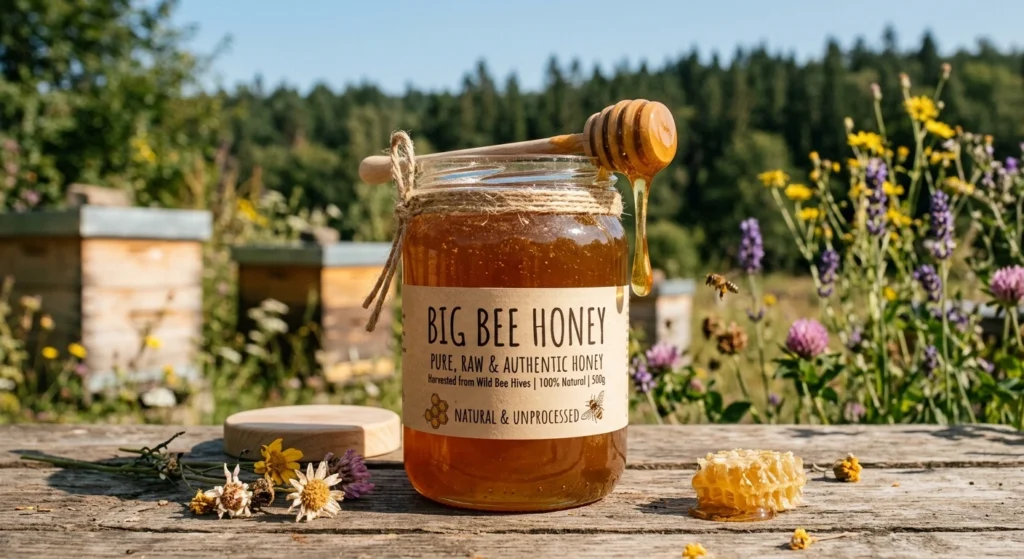
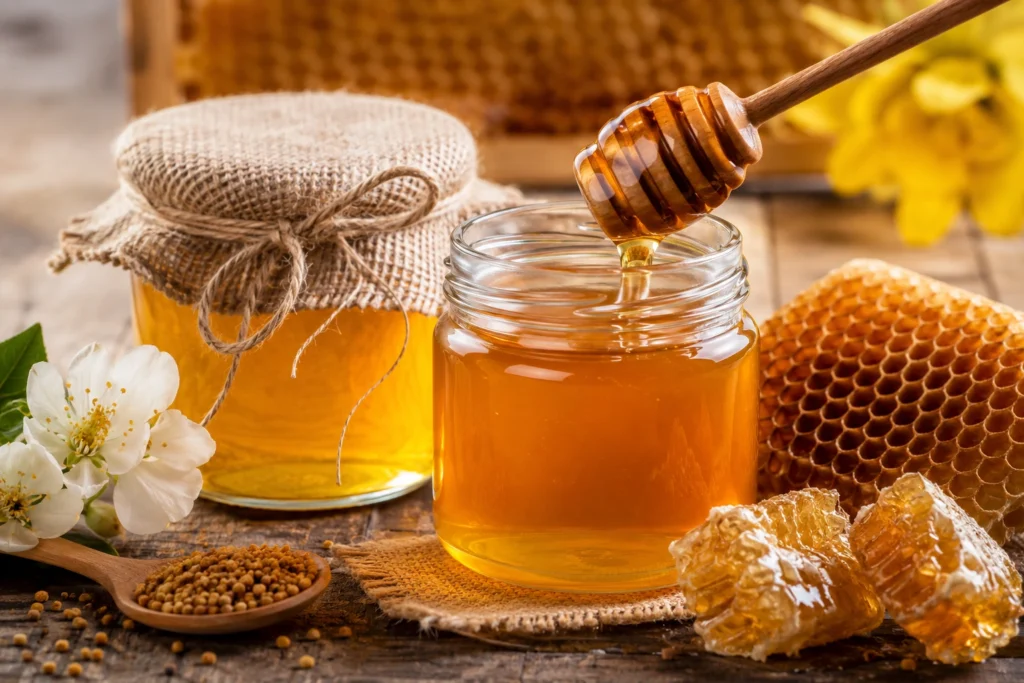
Honey and cinnamon are two popular natural ingredients that have been used in traditional food preparations for generations. Honey and cinnamon benefits have attracted attention because of their traditional uses, unique flavors, and potential health properties. Honey adds natural sweetness to drinks and meals, while cinnamon brings a warm aroma and distinctive flavor. Together, they make a delicious combination that many people enjoy in tea, warm water, oatmeal, and homemade recipes.
But is honey and cinnamon really as beneficial as people claim? Can it help with digestion, blood sugar, weight management, or immunity?
The answer requires a closer look at the available scientific evidence. Although honey and cinnamon each have some interesting properties, there is currently no strong scientific evidence that combining them creates a special remedy or cures diseases. Understanding their potential benefits and limitations can help you enjoy this combination safely and realistically.
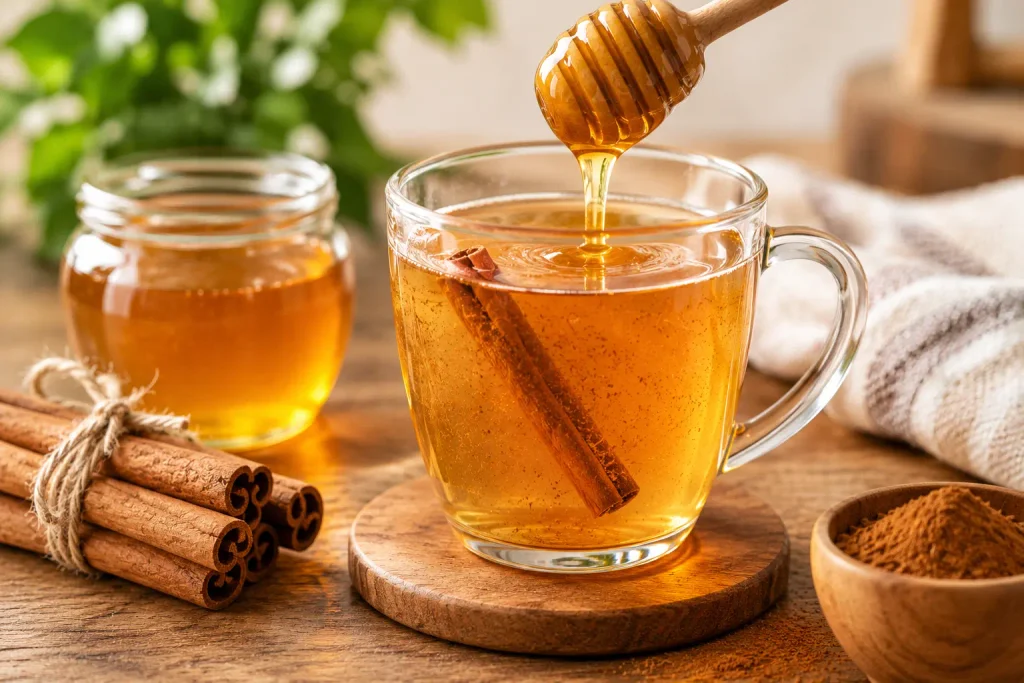
1. What Makes Honey and Cinnamon an Interesting Combination?
Honey contains naturally occurring sugars, small amounts of other compounds, and varying quantities of plant-derived substances depending on its floral source. Cinnamon contains aromatic compounds and other substances that researchers have studied for their possible biological effects.
When combined, these ingredients provide sweetness and flavor without necessarily requiring refined sugar in a recipe.
However, natural does not automatically mean healthier in unlimited quantities. Honey still contributes sugar and calories, while consuming large amounts of cinnamon regularly may present certain risks.
The most sensible approach is to enjoy honey and cinnamon as food ingredients rather than treating them as a replacement for medical care.
2. Potential Benefits of Honey and Cinnamon
May Help Make a Balanced Diet More Enjoyable
One practical advantage of honey and cinnamon is that they can add flavor to everyday foods. A small amount of honey with cinnamon can make plain oatmeal, yogurt, or unsweetened tea more appealing.
This may help people enjoy simple meals without relying on heavily flavored syrups or large quantities of refined sugar. However, honey itself is still a source of sugar, so portion size matters.
May Provide Antioxidant Compounds
Honey and cinnamon contain compounds that have demonstrated antioxidant activity in laboratory research. Antioxidants are substances that can help protect cells from certain types of oxidative damage.
The amount and types of these compounds vary depending on the honey’s floral source and the cinnamon variety.
It is important to distinguish laboratory findings from proven health outcomes. There is not enough evidence to conclude that eating a honey-and-cinnamon mixture provides a specific disease-prevention benefit.
May Be a Pleasant Addition to Warm Drinks
Honey and cinnamon can be added to warm water, tea, or milk to create a comforting drink. Honey may also help soothe a cough for some people, although it does not treat every cause of coughing.
For children older than one year, honey may offer some relief from acute cough symptoms. Never give honey to a child younger than 12 months, because of the risk of infant botulism.
Adding cinnamon to the drink improves its flavor, but there is no convincing evidence that the combination works better than honey alone for cough relief.
May Support Healthier Food Choices When Used Thoughtfully
A little cinnamon can add flavor to foods without adding sugar. If you use cinnamon to flavor oatmeal or plain yogurt, you may find that you need less sweetener.
Honey can also be useful in recipes, but it should not be considered a sugar-free alternative. For people trying to reduce added sugar, using less honey overall is often more helpful than simply replacing all other sweeteners with it.
3. Can Honey and Cinnamon Help Control Blood Sugar?
This is one of the most common questions about the combination.
Some studies have examined whether cinnamon supplements may affect blood glucose levels in people with prediabetes or type 2 diabetes. However, findings have been inconsistent, and researchers have not established cinnamon as a reliable treatment for diabetes.
The U.S. National Center for Complementary and Integrative Health explains that the available research does not clearly establish cinnamon as an effective treatment for any health condition.
Honey also contains sugars that can raise blood glucose levels. Calling it natural does not make it safe to consume without limits.
If you have diabetes, do not use honey and cinnamon as a substitute for prescribed medication, a balanced eating plan, or medical advice. Ask your healthcare professional how to account for honey in your carbohydrate intake.
Read more from the National Center for Complementary and Integrative Health.
4. Can Honey and Cinnamon Help With Weight Loss?
Honey and cinnamon are sometimes promoted as a weight-loss remedy, particularly when mixed with warm water and consumed in the morning or before bedtime.
However, there is no strong evidence that this specific drink directly burns body fat or produces meaningful weight loss on its own.
Sustainable weight management depends on several factors, including overall calorie intake, food quality, physical activity, sleep, and individual health circumstances.
Cinnamon may add flavor to drinks without adding sugar, while honey adds calories and sugars. If you enjoy the combination, use a modest amount of honey and consider it part of your overall diet rather than a weight-loss treatment.
Be cautious of claims promising rapid weight loss, detoxification, or belly-fat reduction from this mixture.
5. How to Use Honey and Cinnamon in Your Daily Routine
You do not need a complicated recipe to enjoy honey and cinnamon. Here are a few simple ways to use them.
Honey and Cinnamon Warm Drink
Ingredients:
- 1 cup of warm water
- A small amount of ground cinnamon
- 1 teaspoon of honey, or less according to taste
Method:
- Pour warm water into a cup.
- Stir in a small pinch of cinnamon.
- Allow the drink to cool slightly before adding honey.
- Stir well and enjoy.
This is a simple beverage, not a proven detox drink or treatment for a medical condition.
Honey and Cinnamon Oatmeal
Prepare oatmeal with milk or water, then add a light sprinkle of cinnamon. If desired, finish with a small amount of honey and fresh fruit.
This provides a convenient breakfast option, especially when paired with other nutritious foods.
Honey and Cinnamon Yogurt
Mix plain yogurt with a little cinnamon and a small drizzle of honey. You can add nuts or fresh fruit for additional flavor and texture.
These recipes are flexible, so adjust the sweetness to your preferences and nutritional needs.
6. Are There Any Side Effects or Precautions?
Although honey and cinnamon are commonly used in food, some people should take extra care with this combination.
Cinnamon Type Matters
Two common varieties are Ceylon cinnamon and cassia cinnamon. Cassia cinnamon can contain higher amounts of coumarin, a naturally occurring compound that may harm the liver when consumed in excessive amounts over time.
Ceylon cinnamon generally contains much less coumarin, making it a useful option for people who use cinnamon regularly.
Too Much Honey Adds Sugar
Honey is not sugar-free. Frequent use of large amounts may increase overall sugar and calorie intake. People managing diabetes should be particularly mindful of their portions.
Be Careful With Concentrated Products
Cinnamon extracts, supplements, and essential oils are not equivalent to ordinary culinary cinnamon. Concentrated products may have different risks and can interact with certain medications.
If you have liver disease, take regular medication, are pregnant or breastfeeding, or are considering using large amounts of cinnamon for health purposes, consult a qualified healthcare professional first.
For further guidance, see the NCCIH cinnamon safety information.
7. When Is the Best Time to Take Honey and Cinnamon?
There is no scientifically established best time to consume honey and cinnamon.
Some people prefer the mixture in the morning, while others enjoy it in warm milk or tea in the evening. There is insufficient evidence that consuming it on an empty stomach, before bed, or at a particular time provides special health benefits.
Choose a time that suits your routine and focus on your overall eating habits rather than expecting a particular result from the timing.
8. Honey and Cinnamon: Separating Facts From Myths
It is easy to encounter exaggerated health claims about natural ingredients online. Here is what the evidence suggests.
| Common claim | What the evidence says |
|---|---|
| Honey and cinnamon cure diabetes. | Not proven; neither should replace diabetes treatment. |
| The mixture burns belly fat. | There is no strong evidence that it directly burns body fat. |
| It detoxifies the body. | No convincing evidence establishes this mixture as a detox treatment. |
| Natural honey contains no sugar. | Incorrect; honey contains naturally occurring sugars. |
| The combination can be enjoyed as food. | Generally reasonable in modest culinary amounts for most people, with appropriate precautions. |
The key is to separate traditional use and promising laboratory findings from benefits demonstrated in reliable human studies.
Frequently Asked Questions
1. Can I drink honey and cinnamon water every day?
Many adults can enjoy modest culinary amounts as part of their usual diet. However, daily use is not necessary for good health, and large or concentrated amounts of cinnamon should be avoided. Remember that honey contributes sugar.
2. Is honey and cinnamon good for digestion?
Some people enjoy the mixture as part of their usual eating routine, but strong evidence that it treats digestive disorders is lacking. Persistent bloating, pain, or other digestive symptoms should be discussed with a healthcare professional.
3. Can honey and cinnamon reduce cholesterol?
Some studies have examined cinnamon supplements and blood lipid levels, but results are mixed. There is not enough reliable evidence to recommend honey and cinnamon as a treatment for high cholesterol.
4. Can I take honey and cinnamon before sleeping?
You can enjoy a small amount in a warm drink if it suits you. However, there is no strong evidence that taking it before bed improves metabolism, burns fat, or provides special sleep benefits.
5. Which cinnamon is better for regular use?
Ceylon cinnamon generally contains less coumarin than cassia cinnamon. If you use cinnamon regularly, choosing Ceylon may help reduce exposure to coumarin, although it is still best to avoid excessive amounts.
6. Can children consume honey and cinnamon?
Honey must never be given to children younger than 12 months because of the risk of infant botulism. For older children, use ordinary food amounts and consider any allergies or individual dietary needs.
Conclusion: Is Honey and Cinnamon Worth Trying?
Honey and cinnamon can be a flavorful addition to a balanced diet. Honey provides sweetness, while cinnamon adds aroma and taste. Both contain compounds that researchers continue to study, but the evidence does not establish their combination as a miracle remedy for diabetes, weight loss, high cholesterol, or other diseases.
Enjoy the mixture in sensible portions, choose reliable ingredients, and be cautious of exaggerated health claims. For lasting health benefits, prioritize a balanced diet, regular physical activity, adequate sleep, and appropriate medical care.
The bottom line: Honey and cinnamon can be enjoyed together as food, but their value lies in how they fit into your overall lifestyle—not in promises of a quick cure.
Explore More About Pure Honey
Continue exploring our collection of helpful honey guides to learn more about choosing, using, storing, and enjoying pure natural honey.
-
10 Signs You’re Buying Fake Honey
Learn how to identify common warning signs before purchasing honey. -
How to Test if Your Honey is 100% Pure and Raw at Home
Discover simple ways to better understand the characteristics of genuine honey. -
Raw Honey vs Processed Honey: Which One Is Better?
Compare the differences between raw and processed honey. -
How to Use Honey Every Day: 15 Healthy Ideas
Learn about proper storage, shelf life, and crystallization. -
The Sunnah of Raw Honey: Healing and Health Benefits in Islamic Tradition
Explore the significance of honey in Islamic teachings and tradition.
🍯 Learn More About Honey and Cinnamon Benefits
National Center for Complementary and Integrative Health
Cinnamon ResearchExplore the scientific evidence on cinnamon’s potential health effects, its limitations, and important safety considerations.
Healthline
Benefits & MythsLearn what research says about honey and cinnamon individually, claims about their combination, and how to use them sensibly.
NCCIH — Diabetes & Supplements
Blood Sugar SafetyUnderstand the limitations of evidence on cinnamon supplements and diabetes, including precautions for people taking medication.
Mayo Clinic
Honey Uses & SafetyLearn about honey’s nutritional properties, common uses, potential benefits, and key precautions, including why infants under one year must not consume honey.