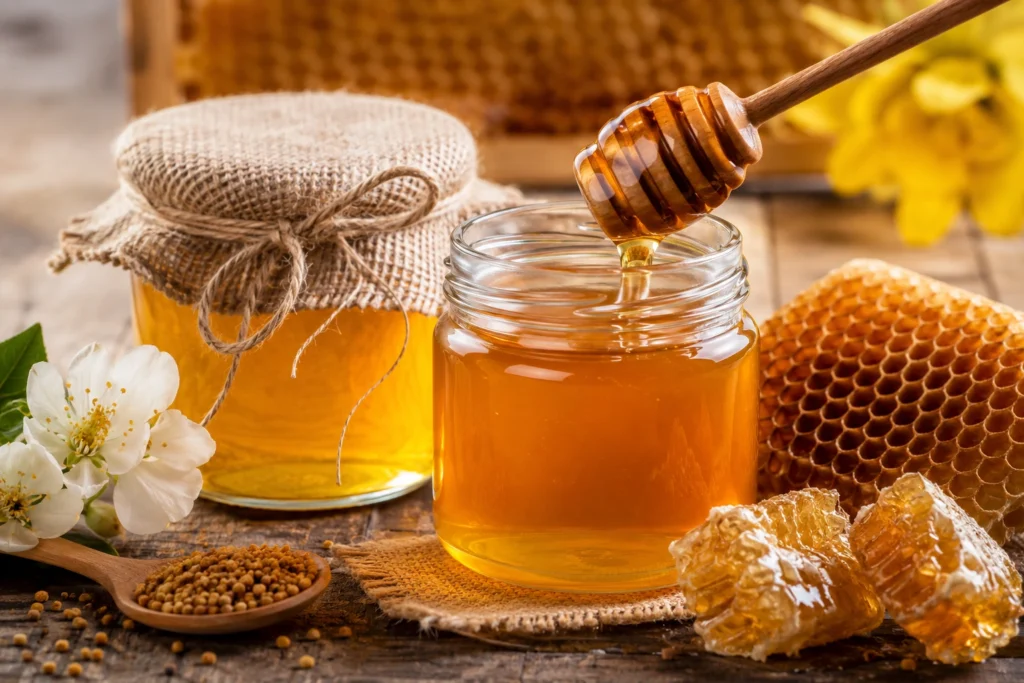
Honey and turmeric are two familiar ingredients in traditional home remedies. Honey is valued for its sweetness and soothing texture, while turmeric—also known as haldi—is widely used in South Asian cooking and traditional wellness practices. When combined, they create a golden mixture that many people enjoy as part of their daily routine.
But can honey and turmeric really work as a natural antibiotic or help with joint pain? The answer requires a little care. Turmeric contains curcumin, a compound that has been studied for its potential anti-inflammatory effects. Some research suggests that turmeric or curcumin supplements may help reduce knee osteoarthritis symptoms, but the evidence is not strong enough to promise results from a simple homemade mixture. Honey and turmeric should never replace prescribed medicine or medical care.
In this guide, we’ll explore what is known about honey and turmeric, how to prepare a simple food-based mixture, how to use it safely, and when joint pain needs professional attention.
What Are Honey and Turmeric?
Honey: A Naturally Sweet Food
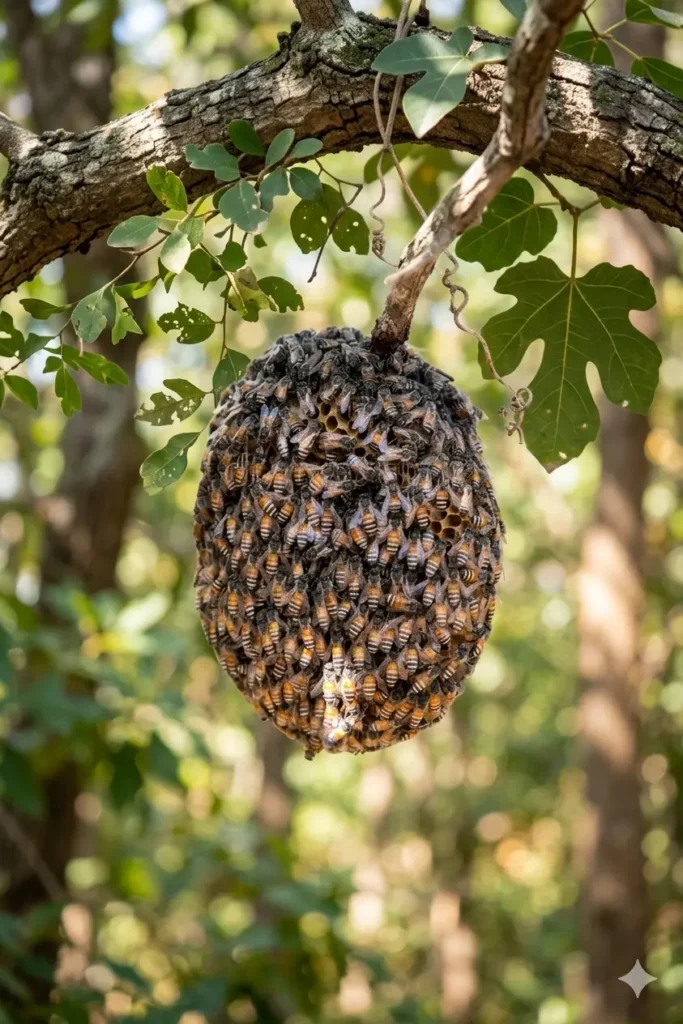
Honey is produced by honeybees from flower nectar. It contains mainly sugars, including glucose and fructose, along with small amounts of other naturally occurring compounds. Honey has a long history of culinary use and is sometimes used in traditional remedies.
Honey is still a source of sugar and calories. Although it may contain small quantities of compounds such as antioxidants, it should not be considered a medicine or a sugar-free alternative.
Turmeric: The Golden Spice
Turmeric is a bright yellow-orange spice made from the root-like rhizome of the Curcuma longa plant. It is commonly used in curries, soups, lentils, and warm drinks.
Turmeric contains curcuminoids, including curcumin, which is often studied for its potential biological effects. However, the amount of curcumin in ordinary turmeric powder is different from the concentrated amount found in many supplements. Research findings about supplements cannot automatically be applied to a kitchen recipe.
Why Do People Combine Honey and Turmeric?
Honey and turmeric are often mixed because they have complementary flavors and are easy to use together. Honey adds sweetness and balances turmeric’s earthy, slightly bitter taste.
People commonly use the mixture as:
- A small addition to warm drinks
- A sweet-spiced ingredient in food
- A traditional home remedy
- A way to make turmeric easier to consume
The combination is best understood as a food-based wellness habit—not as a proven treatment for infection, arthritis, or chronic pain.
Potential Benefits of Honey and Turmeric
1. Turmeric Contains Curcumin
Curcumin is the turmeric compound most frequently discussed in scientific research. Laboratory studies suggest that it may influence pathways involved in inflammation. This has led researchers to study turmeric and curcumin in conditions such as osteoarthritis.
However, laboratory findings do not prove that eating turmeric will produce the same effect in the human body. More research is needed to understand the most effective preparations, amounts, and long-term safety. [1]
2. Turmeric Has Been Studied for Knee Osteoarthritis
Osteoarthritis is a joint condition that can cause pain, stiffness, and reduced movement. Several clinical studies have examined turmeric or curcumin supplements in people with knee osteoarthritis.
Some reviews have found possible improvements in pain and physical function compared with placebo. Researchers have also highlighted limitations, including differences between products, small or short-term studies, and uncertainty about the best formulation and dose. [2]
Important: These studies generally examine turmeric or curcumin preparations—not a homemade mixture of honey and turmeric. The mixture itself has not been established as a treatment for osteoarthritis.
3. Honey Adds Flavor and Makes Turmeric Easier to Enjoy
Turmeric has a strong earthy flavor that some people find difficult to enjoy on its own. A small amount of honey can make it more pleasant in food or a warm drink.
This is a practical culinary benefit, rather than proof of a medical effect. If you enjoy the taste, you can include the mixture as part of a balanced diet while keeping your expectations realistic.
4. The Mixture Can Be Part of a Balanced Routine
A balanced diet, regular movement, appropriate strengthening exercises, and a healthy weight can all be relevant to managing joint health. Honey and turmeric may fit into a person’s food routine, but they cannot replace these broader measures or a clinician’s treatment plan.
Does Honey and Turmeric Work as a Natural Antibiotic?
The phrase “natural antibiotic” is often used online to describe honey, turmeric, garlic, and other ingredients. It can be misleading.
Some types of honey have been studied for antimicrobial properties, and turmeric compounds have also been investigated in laboratory settings. But laboratory activity does not mean that eating a honey-turmeric mixture can treat a bacterial infection in a person.
This mixture is not a substitute for prescribed antibiotics and should not be used to treat serious infections, wounds, or symptoms that are getting worse. If you suspect an infection, seek appropriate medical advice. [3]
How to Make a Simple Honey and Turmeric Mixture
This recipe is intended as a small food preparation. It is not a medical dose or a treatment for joint pain.
Ingredients
- 1 teaspoon honey
- ¼ teaspoon ground turmeric
- 1–2 teaspoons warm water, if needed
Instructions
- Add the turmeric to a small, clean bowl.
- Stir in the honey.
- Add a little warm water if you prefer a thinner texture.
- Mix until combined.
- Enjoy it as a small food addition, or stir it into a warm drink that is not too hot.
You can also use honey and turmeric in a dressing or other recipe. Avoid taking large amounts simply because you hope to achieve a stronger health effect.
How to Use Honey and Turmeric for Joint Comfort
There is no scientifically established serving size for a homemade honey-turmeric mixture to relieve joint pain. If you enjoy it, use ordinary food amounts and consider it part of your diet—not a pain medicine.
For ongoing joint discomfort, more useful steps may include:
- Gentle movement and suitable strengthening exercises
- Avoiding activities that repeatedly worsen the pain
- Following a clinician’s advice about treatment
- Discussing persistent stiffness or swelling with a healthcare professional
Do not stop prescribed arthritis medicine or pain treatment to try this mixture.
Safety Tips and Who Should Be Careful
Honey and turmeric are common foods, but they are not suitable for everyone in every amount.
Honey and Blood Sugar
Honey contains sugars and can raise blood glucose. People with diabetes or those monitoring their blood sugar should account for honey as part of their carbohydrate intake and follow their healthcare professional’s guidance.
Turmeric and Medicines
Turmeric supplements may interact with medicines. If you take regular medication, have a health condition, or are considering concentrated turmeric or curcumin supplements, speak with a healthcare professional first. Supplement products can differ significantly from turmeric used in cooking. [1]
Pregnancy and Breastfeeding
Turmeric in ordinary food amounts is different from concentrated supplements. Safety information about larger medicinal amounts during pregnancy and breastfeeding is limited. Ask a healthcare professional before using turmeric supplements or high-dose preparations.
Allergies and Stomach Upset
Some people may experience stomach discomfort or an allergic reaction. Stop using the mixture if you notice a concerning reaction and seek medical advice when needed.
Never Give Honey to Babies Under 12 Months
Honey should not be given to infants younger than 12 months because of the risk of infant botulism. This applies to raw, pasteurized, and cooked honey. [4]
When Should You Get Medical Advice for Joint Pain?
Joint pain can have many causes, including injury, osteoarthritis, inflammatory conditions, and infection. Do not rely on a home remedy if you have:
- A joint that is suddenly very painful or badly swollen
- Redness or warmth around a joint, especially with fever
- Pain after a significant injury
- Difficulty putting weight on the joint
- Symptoms that persist, worsen, or interfere with everyday activities
Sudden severe joint pain with fever or a hot, swollen joint needs urgent medical assessment.
Frequently Asked Questions
Can honey and turmeric cure joint pain?
No. There is no reliable evidence that a homemade honey-turmeric mixture cures joint pain. Turmeric and curcumin supplements have been studied for knee osteoarthritis, but results are not conclusive and do not prove that this recipe works.
Is honey and turmeric a natural antibiotic?
It should not be treated as an antibiotic. The mixture cannot replace prescribed antibiotics or medical treatment for an infection.
Can I take honey and turmeric every day?
There is no established daily medicinal dose for this mixture. If you enjoy it as food, keep portions modest. Consider your sugar intake and check with a healthcare professional if you take medicines or have a relevant health condition.
Is turmeric better than honey for joint comfort?
They have different roles. Turmeric contains curcumin, which has been researched for potential effects on osteoarthritis symptoms. Honey mainly adds sweetness and flavor. Research on turmeric supplements does not establish that honey improves their effect.
Can I use turmeric supplements instead of my arthritis medicine?
No. Do not replace prescribed medicine with turmeric supplements without discussing it with your healthcare professional.
Final Thoughts
Honey and turmeric make a familiar, flavorful combination that can be included in food or a warm drink. Turmeric’s curcumin has been studied for possible benefits in knee osteoarthritis, but current evidence is not enough to promise that a homemade honey-turmeric mixture will relieve joint pain.
The safest approach is to enjoy the mixture in ordinary food amounts, avoid exaggerated “natural antibiotic” claims, and seek medical advice for persistent or severe joint symptoms. A home remedy can be part of a wellness routine—but it should not replace evidence-based care.
Disclaimer: This article is for general educational purposes only and is not a substitute for medical diagnosis, treatment, or advice. Consult a qualified healthcare professional about persistent pain, infections, medication interactions, or concerns about using supplements
Explore More About Pure Honey
Continue exploring our collection of helpful honey guides to learn more about choosing, using, storing, and enjoying pure natural honey.
-
10 Signs You’re Buying Fake Honey
Learn how to identify common warning signs before purchasing honey. -
How to Test if Your Honey is 100% Pure and Raw at Home
Discover simple ways to better understand the characteristics of genuine honey. -
Raw Honey vs Processed Honey: Which One Is Better?
Compare the differences between raw and processed honey. -
How to Use Honey Every Day: 15 Healthy Ideas
Learn about proper storage, shelf life, and crystallization. -
The Sunnah of Raw Honey: Healing and Health Benefits in Islamic Tradition
Explore the significance of honey in Islamic teachings and tradition.
🍯 Learn More About Honey, Turmeric and Joint Health
National Center for Complementary and Integrative Health
Turmeric SafetyExplore what research says about turmeric and curcumin, including possible uses, safety considerations, and why more evidence is needed.
PubMed – National Library of Medicine
Clinical ReviewRead a systematic review examining turmeric or curcumin extracts for knee osteoarthritis pain and physical function. The findings are promising but do not prove that a homemade honey-turmeric mix works.
Centers for Disease Control and Prevention
Honey SafetyLearn why honey must never be given to babies younger than 12 months because of the risk of infant botulism.
NHS – National Health Service
Joint PainFind guidance on common causes of joint pain, practical self-care steps, and symptoms that may need medical assessment.