Are Bees the Only Source of Honey? When people think about honey, they usually think of honey bees collecting nectar from flowers and turning it into the golden food we know as honey. But are bees really the only source of honey? The short answer is no—not every sweet substance called or compared with honey comes directly from flower nectar, and several bee species can produce honey. However, bees, particularly honey bees, are by far the most important source of the honey commonly produced and consumed by humans.
There is also an interesting natural substance called honeydew, which is produced by insects such as aphids, scale insects, leafhoppers, and some other sap-feeding insects. Honeydew is a sugary secretion or excretion, but it is not the same thing as bee-produced honey. Bees can collect honeydew and turn it into a type of honeydew honey.
So, to properly answer the question, we need to understand where honey comes from, which bees produce it, what other insects produce, and why these substances should not all be considered the same thing.
Honey is a naturally sweet food associated primarily with bees. Honey bees collect sugary materials, especially floral nectar, and process them before storing the resulting product in their colonies.
Flower nectar is produced by specialized plant structures called nectaries. Bees collect this nectar and bring it back to the colony, where it undergoes processing and water reduction before being stored.
The final product is much more concentrated than the original nectar and contains a mixture of sugars and other naturally occurring components.
What Is Honey?
This is why honey is not simply “flower nectar collected by bees.” It is a processed bee product.
Are Bees the Only Animals That Make Honey?
This question needs an important clarification.
Bees are not the only insects associated with honey-like substances.
However, bees are the animals that produce the honey humans traditionally recognize as honey.
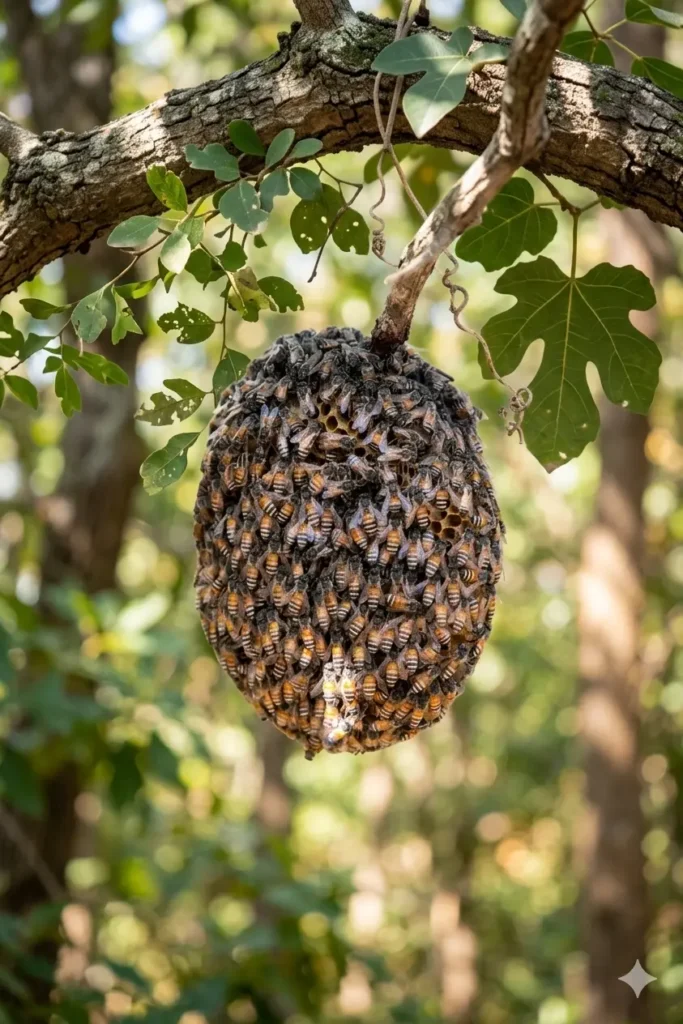
There are many species of bees, and not all of them produce and store honey in the same way.
In particular, honey bees (Apis) are famous for producing honey in quantities large enough for human harvesting.
But there are also stingless bees, which produce and store their own honey.
Research has documented honey produced by numerous stingless bee species belonging to the tribe Meliponini. Stingless bee honey can differ substantially from conventional Apis mellifera honey in moisture, acidity, flavor, texture, and other characteristics.
Therefore, it would be inaccurate to say that only one species of bee produces honey.
Do Stingless Bees Produce Honey?
Yes.
Stingless bees produce honey.
Stingless bees belong to the tribe Meliponini and occur mainly in tropical and subtropical regions.
Like honey bees, they collect nectar from flowering plants and store processed nectar in their colonies. Scientific literature describes this stored product as stingless bee honey.
However, stingless bee honey is not necessarily identical to honey produced by Apis mellifera.
Studies have found differences in:
- Moisture
- Acidity
- Sugar composition
- Flavor
- Aroma
- Texture
- Crystallization behavior
- Chemical characteristics
Stingless bee honey generally has higher moisture and acidity than conventional Apis mellifera honey, although its characteristics vary considerably among bee species and geographic regions.
So when someone asks, “Are bees the only source of honey?”, the answer is already more complicated than simply saying yes or no.
There are multiple bee groups capable of producing honey.
What About Bumblebees?
Bumblebees also collect nectar and pollen, but they are not major commercial honey producers like honey bees.
Bumblebee colonies generally have very different colony structures and storage behavior from honey bee colonies.
Honey bees maintain large colonies and store substantial quantities of food, including honey, which allows beekeepers to harvest honey.
Bumblebees, in contrast, do not normally create the large, durable honey stores that characterize honey bee colonies.
So while bumblebees are important pollinators and collect nectar, they should not be treated as an equivalent commercial source of honey.
What Is Honeydew?
This is where the subject becomes particularly interesting.
Honeydew is not honey.
Honeydew is a sweet substance associated with certain sap-feeding insects, especially:
- Aphids
- Scale insects
- Leafhoppers
- Some other plant-feeding insects
These insects feed on plant fluids. Some of the sugary material associated with their feeding is released as honeydew.
USDA sources describe honeydew as a sweet substance produced by insects such as aphids and other sap-feeding insects.
Honeydew can accumulate on leaves and other plant surfaces.
It can also become an important food source for various insects, including bees.
Do Aphids Make Honey?
Aphids do not make honey in the same way that honey bees make honey.
Instead, aphids produce honeydew, a sugary byproduct associated with their feeding on plant sap.
USDA research describes aphid honeydew as containing various sugars, including glucose, fructose, sucrose, trehalulose, and melezitose.
This distinction is very important:
Aphid → produces honeydew
Bee → processes nectar or honeydew and stores a honey product
Therefore, saying “aphids produce honey” would be scientifically misleading.
The more accurate statement is that aphids produce honeydew, while bees can collect honeydew and convert it into honeydew honey.
What Is Honeydew Honey?
Honeydew honey is a type of honey made when bees collect honeydew instead of, or in addition to, floral nectar.
USDA material specifically distinguishes honeydew from honey while noting that bees collect considerable quantities of honeydew.
This means that not all honey necessarily originates directly from flower nectar.
Some honey can have an important insect-derived source.
Honeydew honey can have characteristics different from typical floral honey, including differences in flavor and mineral composition. USDA information notes that honeydew honey differs from floral honey particularly in its higher dextrin and mineral content.
So Where Does Honey Actually Come From?
There are two major natural sources that bees can use:
1. Floral Nectar
This is the source most people associate with honey.
Flower → nectar → bee → processing → honey
Examples of plants that provide nectar include many flowering crops, trees, herbs, and wild plants.
The exact flavor, color, aroma, and characteristics of honey can vary according to the plants visited by bees.
2. Honeydew
The second source is honeydew.
Plant → sap-feeding insect → honeydew → bee → processing → honeydew honey
This is why the phrase “all honey comes directly from flowers” is not completely accurate.
Are Bees the Only Insects That Produce Sweet Substances?
No.
Several insects are associated with sweet secretions or excretions.
The most important example is honeydew produced by sap-feeding insects.
Aphids are particularly well known for this.
Scale insects and leafhoppers can also produce honeydew.
But these substances should not automatically be called honey.
Honeydew and honey are different biological products.
Honeydew originates from the feeding activity of insects on plant fluids, while honey is a bee-processed food stored by bees.
Can Bees Make Honey Without Flowers?
Yes, in an important sense.
Bees do not necessarily need flower nectar as the only sugar source for honey production.
They can collect honeydew produced by other insects.
USDA research has documented native bees using insect-produced honeydew sugars, particularly when floral resources are limited.
This demonstrates how flexible bee foraging can be.
However, saying bees can make honey without flowers should not be interpreted as meaning that flowers are unimportant.
Floral nectar remains the dominant and most familiar source for ordinary floral honey.
Is Honey From Stingless Bees Real Honey?
Yes, stingless bee honey is a genuine bee-produced honey product.
Scientific literature has documented stingless bee honey from numerous species around the world. One review examined honey from 66 different stingless bee species and described its distinctive physicochemical and biological characteristics.
However, its composition can differ considerably from conventional honey bee honey.
For example, stingless bee honey often has:
- Higher moisture
- Higher acidity
- A more fluid texture
- Distinctive aromas
- Different sugar profiles
- Different storage characteristics
These differences are influenced by bee species, botanical sources, climate, geography, and other environmental factors.
Why Is Honey Mostly Associated With Honey Bees?
There is a simple reason: honey bees are exceptionally good at producing and storing honey in quantities that humans can harvest.
Honey bee colonies contain large numbers of worker bees that collect nectar and pollen, process food, maintain the colony, and store food for periods when resources are limited.
This makes honey bees extremely important not only ecologically but also agriculturally and commercially.
Stingless bees can produce honey too, but their production is generally much lower than that of Apis mellifera, which is one reason conventional honey bee honey dominates the commercial market.
Does Every Bee Produce Honey?
No.
This is another common misconception.
There are thousands of bee species, but they do not all have the same lifestyle.
Many bees are solitary bees. They do not establish large perennial colonies like honey bees and do not store large quantities of honey for human harvesting.
Some bees collect nectar primarily to feed themselves or their developing offspring.
Therefore:
All honey bees are bees, but not all bees are honey-producing bees in the commercial sense.
What Is the Difference Between Honey and Nectar?
These terms are sometimes confused.
Nectar
Nectar is a sugary liquid produced by plants, usually through nectaries.
It is a plant product.
Honey
Honey is a bee-processed product made from collected sugary resources, most commonly nectar.
The bee colony modifies and concentrates these resources before storing them.
So:
Nectar ≠ Honey
A bee collecting nectar is collecting a raw food resource that will eventually be transformed into honey.
What Is the Difference Between Honey and Honeydew?
| Feature | Honey | Honeydew |
|---|---|---|
| Main association | Bees | Sap-feeding insects |
| Typical source | Floral nectar | Plant sap processed/excreted by insects |
| Produced by | Bees process collected sugars | Aphids, scale insects, leafhoppers and others |
| Is it the same product? | No | No |
| Can bees collect it? | Yes | Yes |
| Can it contribute to honey production? | Yes | Yes |
The key point is that honeydew is not simply another name for honey.
It is a different sugary substance that bees may collect and use as a food resource.
Why Does Honeydew Matter to Bees?
Honeydew can provide bees with an additional source of carbohydrates.
This can become particularly important when floral nectar is scarce.
Research from USDA’s Agricultural Research Service has documented native bees using insect-produced honeydew sugars when flowers are limited.
This demonstrates an important ecological relationship:
Plants → sap-feeding insects → honeydew → bees
So bees are not connected only to flowers.
They can also interact indirectly with other insects through honeydew.
Does Honeydew Mean the Honey Is Fake?
No.
Honeydew honey is not automatically fake or adulterated simply because the bees collected honeydew.
The important distinction is between natural honeydew-derived honey and artificially sweetened or adulterated honey.
Honey can naturally vary according to its source.
Some honey comes primarily from floral nectar, while some can contain a substantial honeydew contribution.
USDA material specifically recognizes honeydew collection by bees and distinguishes honeydew-derived material from ordinary floral honey.
Can Other Animals Produce Honey?
The safest scientific answer is that bees are the principal animals known for producing and storing what humans conventionally call honey.
Other organisms produce sweet substances, but these should not automatically be classified as honey.
For example:
- Aphids produce honeydew
- Scale insects can produce honeydew
- Leafhoppers can produce honeydew
- Honey bees produce and store honey
- Stingless bees produce and store honey
Therefore, the question is really about terminology as much as biology.
A sweet substance is not necessarily honey just because it tastes sweet.
Why Are Bees So Important to Honey Production?
Bees have a remarkable relationship with flowering plants.
They collect nectar as a food resource and, while moving between flowers, also perform pollination.
The honey production process therefore connects two major ecological services:
Pollination + Honey Production
Bees contribute to agricultural ecosystems far beyond the honey that humans harvest.
This is one reason protecting bee populations is important for both food production and biodiversity.
Can Honey Be Made Without Bees?
If by “honey” we mean traditional natural bee honey, then bees are essential.
Humans can manufacture honey-like syrups using sugars, flavors, water, and other ingredients, but that is not the same biological product as honey produced by bees.
Likewise, plant-based products may be marketed as honey alternatives, but they should not be confused with naturally produced bee honey.
The difference is especially important when discussing food labeling, authenticity, and consumer expectations.
The Most Accurate Answer: Are Bees the Only Source of Honey?
The answer is:
Bees are the principal natural source of true honey, but not all honey comes directly from flower nectar, and several types of bees can produce honey.
Honey bees are the dominant source of commercially familiar honey.
Stingless bees also produce honey.
In addition, bees can collect honeydew, a sweet substance produced by aphids, scale insects, leafhoppers, and other sap-feeding insects, and use it to produce honeydew honey.
At the same time, honeydew itself should not be confused with honey.
That distinction gives us a much more accurate understanding of where honey comes from.
Frequently Asked Questions
Are bees the only source of honey?
Bees are the main natural source of honey consumed by humans, but several types of bees can produce honey. Bees can also use honeydew produced by other insects as a source for honeydew honey.
Do aphids produce honey?
Aphids produce honeydew, not bee honey. Honeydew is a sugary substance associated with their feeding on plant sap.
Do stingless bees make honey?
Yes. Stingless bees produce and store honey, and scientific studies have documented honey from many stingless bee species.
Is honeydew the same as honey?
No. Honeydew is a sugary substance produced by certain sap-feeding insects, while honey is a bee-processed food. Bees can collect honeydew and use it to produce honeydew honey.
Can bees make honey from honeydew?
Yes. Bees can collect honeydew and process it into honeydew honey.
Does all honey come from flowers?
No. Much honey originates from floral nectar, but bees can also collect honeydew, which can contribute to honeydew honey.
Do all bees produce honey?
No. Many bee species do not produce and store honey in the way honey bees do. Honey production and substantial food storage are particularly associated with social bees such as honey bees and stingless bees.
Final Thoughts
The question “Are bees the only source of honey?” has a fascinating answer.
Bees are undoubtedly the most important natural source of honey, especially honey bees used in apiculture. But the story does not end with flowers and honey bees.
Different bee species, including stingless bees, produce their own forms of honey. Bees can also collect honeydew from aphids and other sap-feeding insects, creating another pathway into honey production.
At the same time, it is important not to call every sweet substance produced by an insect “honey.” Honeydew is honeydew, while bee-processed honey is honey.
Understanding this difference gives us a clearer picture of the complex relationship between bees, plants, other insects, agriculture, and the natural production of honey.
Explore More About Pure Honey
Continue exploring our collection of helpful honey guides to learn more about choosing, using, storing, and enjoying pure natural honey.
-
10 Signs You’re Buying Fake Honey
Learn how to identify common warning signs before purchasing honey. -
How to Test if Your Honey is 100% Pure and Raw at Home
Discover simple ways to better understand the characteristics of genuine honey. -
Raw Honey vs Processed Honey: Which One Is Better?
Compare the differences between raw and processed honey. -
How to Use Honey Every Day: 15 Healthy Ideas
Learn about proper storage, shelf life, and crystallization. -
The Sunnah of Raw Honey: Healing and Health Benefits in Islamic Tradition
Explore the significance of honey in Islamic teachings and tradition.