Introduction
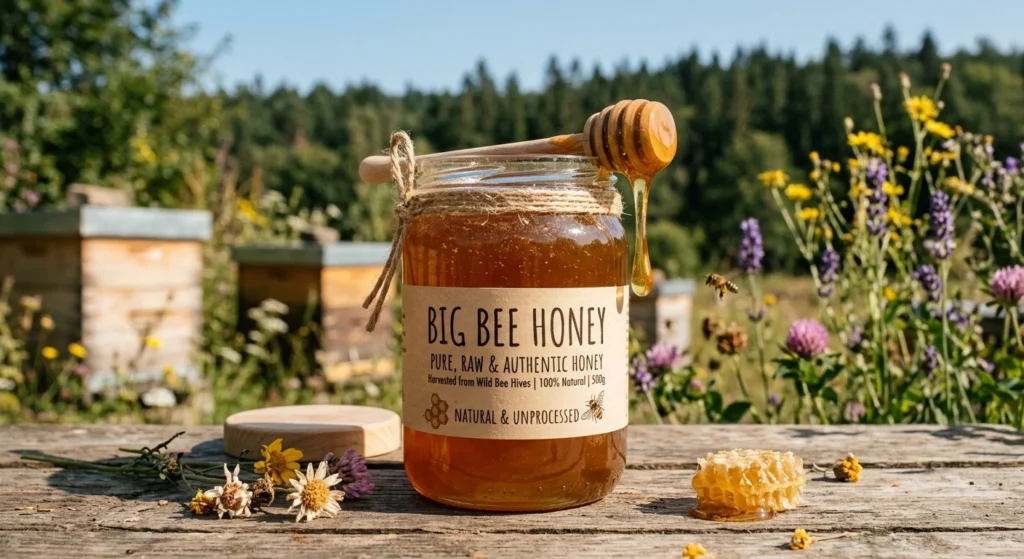
Honey production in Pakistan benefits from the country’s diverse landscapes, ranging from snow-covered mountains and lush green valleys to fertile plains and forests. This rich natural environment provides ideal conditions for beekeeping and the production of high-quality honey.
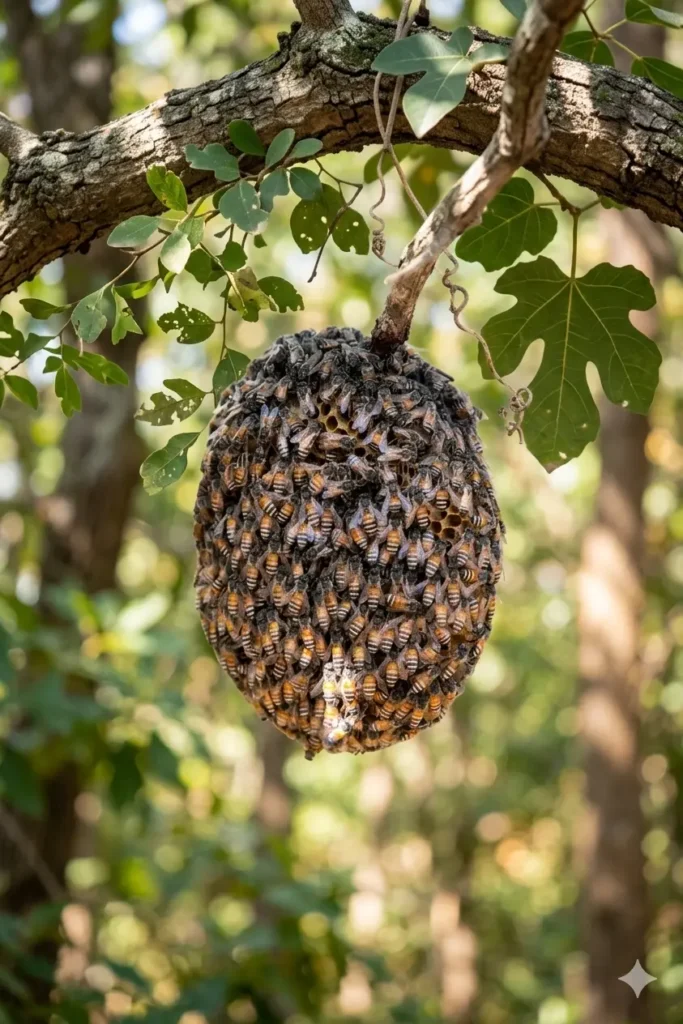
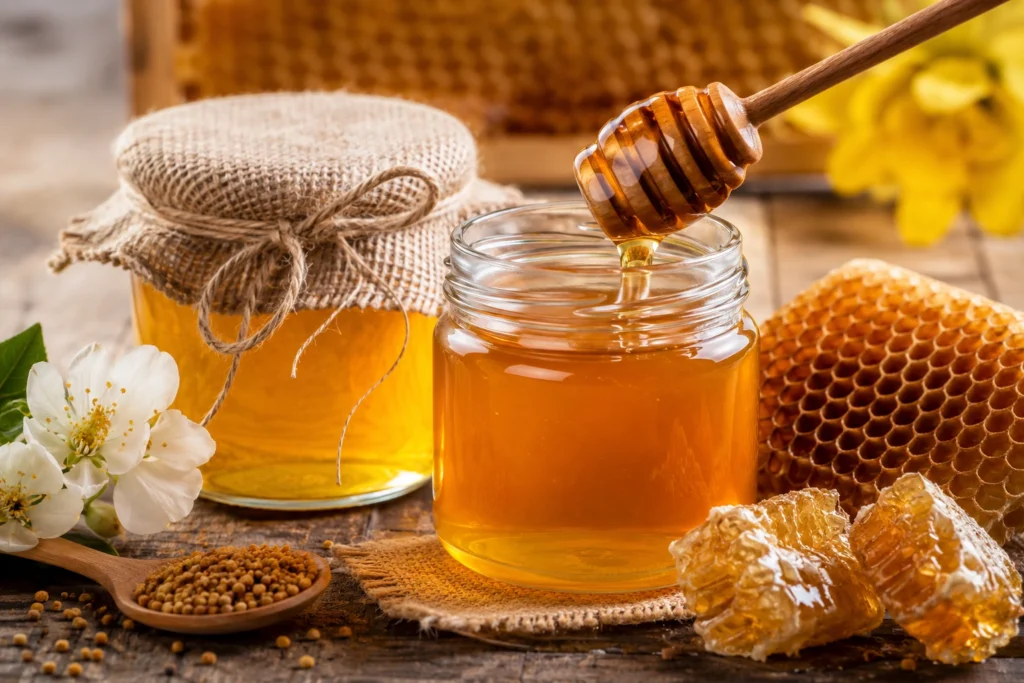
Over the past two decades, Pakistani honey has gained increasing recognition for its natural taste, floral diversity, and traditional harvesting methods. Many local beekeepers continue to collect honey from areas where bees forage on wildflowers, acacia trees, beri (jujube), sidr, eucalyptus, mustard flowers, and other nectar-rich plants.
While Pakistan may not produce as much honey as countries like China or Turkey, it has something equally valuable—a wide variety of natural floral sources that create unique honey flavors. Each region produces honey with its own color, aroma, texture, and taste depending on the local vegetation and climate.
In this guide, we’ll explore the regions where honey is produced in Pakistan, the flowers that influence its quality, and why Pakistan is becoming increasingly recognized for its premium natural honey.
Why Pakistan Is an Ideal Country for Honey Production
Pakistan’s geography plays a major role in honey production.
The country experiences different climates across its provinces, allowing bees to collect nectar from a wide range of flowering plants throughout the year.
Several natural factors make Pakistan suitable for beekeeping:
- Diverse flowering seasons
- Mountain forests
- Agricultural crops
- Wild plants and herbs
- Moderate spring temperatures in many regions
- Expanding commercial beekeeping
Because different plants bloom at different times of the year, beekeepers can often move their hives to areas with active flowering seasons, helping maintain honey production across multiple regions.
Pakistan’s Main Honey-Producing Regions
Honey is produced in several provinces, but some areas are especially well known for their natural environment and beekeeping traditions.
Let’s explore them one by one.
Khyber Pakhtunkhwa (KP)
Khyber Pakhtunkhwa is widely regarded as one of Pakistan’s leading honey-producing provinces.
Its mountains, forests, valleys, and rich biodiversity create an excellent habitat for honey bees.
Some of the province’s most well-known honey-producing districts include:
- Swat
- Chitral
- Mansehra
- Abbottabad
- Haripur
- Kohistan
- Battagram
These areas offer abundant flowering plants during spring and summer, allowing bees to produce flavorful natural honey.
Wildflower honey from KP is especially appreciated for its rich aroma and balanced taste.
Gilgit-Baltistan – Home of Mountain Honey
Gilgit-Baltistan is famous for its breathtaking mountains, clean environment, and untouched valleys.
These natural conditions make it one of Pakistan’s most promising regions for premium mountain honey.
Important honey-producing areas include:
- Hunza
- Skardu
- Ghizer
- Astore
- Nagar
- Gilgit
Because many flowering plants grow at higher altitudes, the honey produced here often develops unique floral notes that differ from honey harvested in the plains.
Mountain honey from Gilgit-Baltistan is highly valued by consumers who prefer natural and minimally processed honey.
Potohar Plateau (Punjab)
Although Punjab is known primarily for agriculture, the Potohar region has become an important center for commercial beekeeping.
Bees collect nectar from flowering crops such as:
- Mustard
- Acacia
- Citrus blossoms
- Sunflowers
- Wild seasonal flowers
Many professional beekeepers migrate their colonies to this region during peak flowering seasons to maximize honey production.
Azad Jammu & Kashmir (AJK)
Azad Jammu & Kashmir also offers favorable conditions for honey production.
The region’s forests, hills, and natural vegetation support a variety of nectar-producing plants.
Honey harvested from these areas often reflects the rich floral diversity of the region and is popular among consumers looking for naturally sourced honey.
Other Honey-Producing Areas
While the regions above are among the best known, honey is also produced in parts of:
- Balochistan
- Sindh
- Southern Punjab
Commercial beekeeping in these areas often depends on seasonal flowering crops and local vegetation.
Why Honey Differs from One Region to Another
One of the most interesting aspects of Pakistani honey is that its characteristics change depending on where it is produced.
For example:
- Honey from mountainous regions may have a richer floral aroma.
- Honey collected from mustard fields is often lighter in color.
- Beri and Sidr honey are usually darker and have a more distinctive taste.
- Wildflower honey can vary from season to season because bees visit different flowering plants.
This natural variation is one of the reasons why authentic honey never looks or tastes exactly the same every time.
Pakistan’s Most Famous Honey Varieties
One of the biggest strengths of Pakistan’s honey industry is its rich variety of floral sources. Since different plants bloom in different regions and seasons, bees collect nectar from a wide range of flowers, producing honey with unique colors, flavors, and aromas.
Let’s look at some of Pakistan’s most popular honey varieties.
Sidr Honey
Sidr Honey is considered one of Pakistan’s most valuable and premium honey varieties.
It is produced when bees collect nectar from the flowers of the Sidr tree (Ziziphus), commonly known as the Jujube tree.
Sidr trees grow naturally in several parts of Pakistan, particularly in:
- Khyber Pakhtunkhwa
- Balochistan
- Southern Punjab
- Some northern valleys
Characteristics
- Thick consistency
- Dark amber color
- Rich, distinctive flavor
- Strong natural aroma
Because Sidr trees flower for only a limited period each year, authentic Sidr honey is often available in smaller quantities than other varieties.
Beri (Jujube) Honey
Beri Honey is another highly respected variety in Pakistan.
Although people sometimes confuse Beri and Sidr honey because both come from trees belonging to the Ziziphus family, their flavor and characteristics can vary depending on the species and local environment.
Beri honey is known for:
- Smooth texture
- Pleasant sweetness
- Mild floral aroma
- Golden to amber color
It is one of the most popular natural honeys available in Pakistani markets.
Acacia Honey
Acacia trees bloom during spring and provide an excellent nectar source for honey bees.
Acacia Honey is generally:
- Light in color
- Mild in taste
- Smooth in texture
- Slow to crystallize naturally
Many people prefer Acacia honey because of its delicate flavor.
Wildflower Honey
Wildflower Honey is produced when bees collect nectar from many different flowering plants instead of a single floral source.
This means every harvest can be slightly different.
Wildflower honey may vary in:
- Color
- Aroma
- Sweetness
- Texture
- Floral notes
Its uniqueness is one of the reasons many honey lovers enjoy it.
Eucalyptus Honey
Pakistan has many eucalyptus plantations, especially in Punjab.
When eucalyptus trees bloom, they provide abundant nectar for bees.
Eucalyptus honey often has:
- Medium to dark color
- Distinctive herbal aroma
- Rich flavor
It is widely harvested by commercial beekeepers during the flowering season.
Mustard Honey
During winter and early spring, mustard fields become an important nectar source.
Mustard Honey is usually:
- Light golden in color
- Mild and pleasant
- Popular among commercial beekeepers
The flowering season allows thousands of bee colonies to collect nectar efficiently.
Why Do These Honey Varieties Taste Different?
Many people assume bees produce different kinds of honey.
In reality, the bees are the same—the flowers are different.
The flavor of honey depends mainly on:
- The flowers visited by bees.
- Local climate.
- Soil conditions.
- Altitude.
- Rainfall.
- Harvest season.
Even honey harvested from the same region can taste different from year to year because flowering conditions naturally change.
How Migratory Beekeeping Works in Pakistan
One fascinating aspect of Pakistan’s honey industry is migratory beekeeping.
Instead of keeping bee colonies in one location throughout the year, many professional beekeepers transport their hives to different regions as flowers bloom in different seasons.
For example:
Spring
Bee colonies may be moved near:
- Citrus orchards
- Acacia trees
- Wildflower fields
Early Summer
Many colonies are transported to mountainous regions where wildflowers bloom naturally.
Autumn
Beekeepers may relocate hives to areas where late-season flowering plants are available.
This seasonal movement allows bees to access fresh nectar almost throughout the year and helps improve both honey production and floral diversity.
Does Pakistan Export Honey?
Yes.
Pakistan exports natural honey to several international markets.
Growing global demand for natural foods has created opportunities for Pakistani honey producers to reach overseas buyers.
Export destinations have included countries in:
- The Middle East
- Europe
- North America
- Asia
However, export quality honey must meet strict international standards for purity, moisture content, and food safety.
As awareness of Pakistani honey continues to grow, many local producers are working to improve packaging, quality control, and traceability to compete in international markets.
Why Pakistani Honey Is Becoming More Popular
Over the last decade, consumers have become increasingly interested in natural and minimally processed foods.
This trend has benefited Pakistani honey producers.
Several factors contribute to the growing popularity of Pakistani honey:
Rich Floral Diversity
Pakistan’s varied landscapes provide bees with access to many different flowering plants.
Mountain Environment
Honey harvested from northern mountainous regions is appreciated for its unique floral character.
Traditional Beekeeping
Many local beekeepers continue to use simple harvesting methods while maintaining close contact with nature.
Increasing Consumer Awareness
More people now understand the importance of purchasing authentic honey from reliable producers rather than choosing products based only on price.
How to Choose Genuine Pakistani Honey
With so many honey products available in the market, choosing genuine honey can sometimes feel difficult.
Here are a few practical tips:
✅ Buy from trusted sellers with a good reputation.
✅ Read the product label carefully.
✅ Look for information about the honey’s floral source or region of origin.
✅ Be cautious of unusually low prices.
✅ Remember that natural honey may crystallize over time—this is often a normal process, not a sign of poor quality.
For a more detailed guide, you can also read our article:
Conclusion
Pakistan may not be the world’s largest honey producer, but it is undoubtedly one of the most promising countries for natural and diverse honey varieties. From the lush valleys of Khyber Pakhtunkhwa and the breathtaking mountains of Gilgit-Baltistan to the fertile plains of Punjab and the forests of Azad Jammu & Kashmir, each region contributes its own unique floral character to the honey it produces.
Whether you prefer the rich taste of Sidr Honey, the smooth sweetness of Beri Honey, the light flavor of Acacia Honey, or the ever-changing character of Wildflower Honey, Pakistan offers something for every honey enthusiast.
As the country’s beekeeping industry continues to grow and more consumers seek authentic natural foods, Pakistani honey is earning greater recognition both at home and in international markets. Choosing honey from a trusted source not only ensures quality but also supports local beekeepers who work hard to preserve this remarkable natural product.
Explore More About Pure Honey
Continue exploring our collection of helpful honey guides to learn more about choosing, using, storing, and enjoying pure natural honey.
-
10 Signs You’re Buying Fake Honey
Learn how to identify common warning signs before purchasing honey. -
How to Test if Your Honey is 100% Pure and Raw at Home
Discover simple ways to better understand the characteristics of genuine honey. -
Raw Honey vs Processed Honey: Which One Is Better?
Compare the differences between raw and processed honey. -
How to Use Honey Every Day: 15 Healthy Ideas
Learn about proper storage, shelf life, and crystallization. -
The Sunnah of Raw Honey: Healing and Health Benefits in Islamic Tradition
Explore the significance of honey in Islamic teachings and tradition.
📌 Official Authorities on Beekeeping & Flora in Pakistan
Pakistan Agricultural Research Council (PARC)
GovernmentNational Honeybee Research Institute (HBRI) programs covering Sidr, Acacia, and Mustard flora research in KP and Punjab regions.
Ministry of Climate Change (Ten Billion Tree Tsunami)
Billion Tree HoneyOfficial documentation on forest restoration, expansion of wild Berry (Sidr) wild habitats, and sustainable honey initiatives.
Trade Development Authority of Pakistan (TDAP)
Export & TradeOfficial trade reports on Pakistani Sidr and wild honey export quality standards, global demand, and regional production clusters.