Honey drinks are more than simple natural refreshments or sweet beverages. Across different cultures, people have combined honey with water, lemon, ginger, herbs, milk, tea, fruits, and other ingredients to create refreshing and traditional beverages. Honey-based drinks range from simple homemade refreshments to centuries-old fermented beverages.
Some honey drinks are completely non-alcoholic, while others, such as mead and Ethiopian tej, are fermented and contain alcohol. This article explores 10 popular honey drinks from around the world, their origins, ingredients, and what makes each beverage special.
1. Honey Lemon Water – Popular Around the World
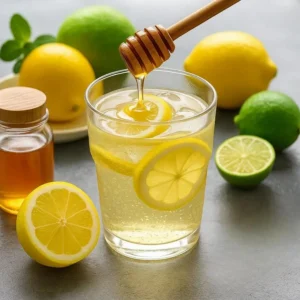
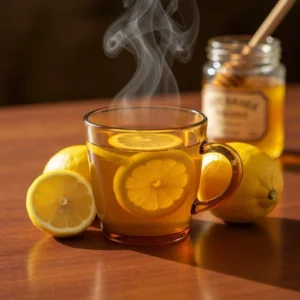
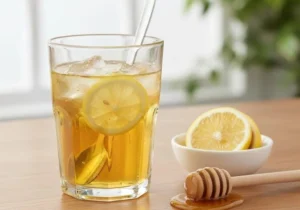
One of the simplest honey drinks is honey lemon water. It is prepared by mixing honey with water and adding fresh lemon juice. It can be served warm or cold depending on personal preference and the season.
A typical preparation may include:
- Water
- Natural honey
- Fresh lemon juice
- Optional ginger or mint
The combination of sweet honey and fresh lemon gives the drink a pleasant sweet-and-tart flavor. It is particularly popular as a homemade morning or wellness-style beverage in many countries.
It is important to remember that honey lemon water is a beverage, not a guaranteed treatment for illness. Its main appeal is its simple ingredients and refreshing taste.
2. Honey Ginger Tea – A Traditional Comforting Drink
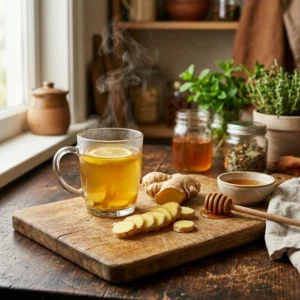
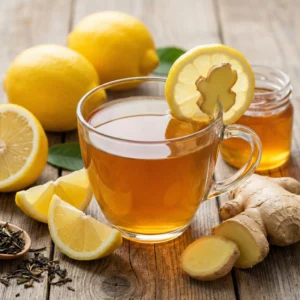
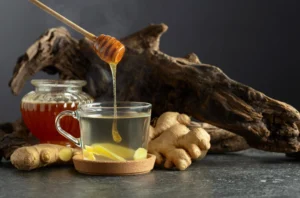
Honey ginger tea combines the warming flavor of ginger with the sweetness of honey. It can be made by steeping fresh ginger in hot water and adding honey after the drink has cooled slightly.
Common ingredients include:
- Fresh ginger
- Hot water
- Honey
- Lemon, optional
Ginger gives the drink a spicy and aromatic character, while honey balances its strong flavor. Some people enjoy this drink during cold weather or simply as a warm evening beverage.
Honey ginger tea is particularly interesting because it shows how honey can be used not only as a sweetener but also as part of traditional food and beverage preparations.
3. Honey Tea – A Simple Beverage Found in Many Cultures
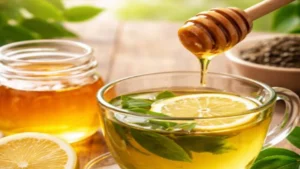
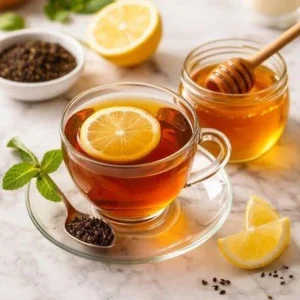
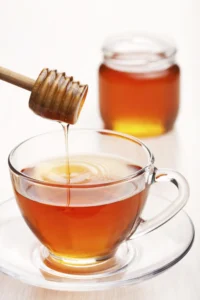
Adding honey to tea is one of the easiest ways to create a honey-based beverage.
Honey can be added to:
- Black tea
- Green tea
- Herbal tea
- Mint tea
- Ginger tea
- Lemon tea
The flavor varies depending on the type of tea and honey. A mild floral honey may allow the tea’s natural character to remain noticeable, while a darker honey can create a richer flavor.
Honey-sweetened tea is also mentioned among traditional non-alcoholic honey beverages in reviews of honey-drink traditions.
4. Sbiten – A Traditional East Slavic Honey Drink
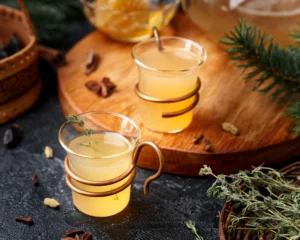
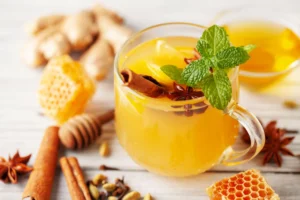
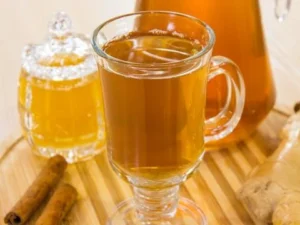
Sbiten is a traditional honey-based beverage associated with East Slavic culinary culture. It is made using honey, water, and various herbs and spices.
Depending on the recipe, ingredients can include:
- Honey
- Water
- Cinnamon
- Cloves
- Ginger
- Other herbs and spices
Historical and modern descriptions of honey beverages identify sbiten as an East Slavic honey drink made with water, honey, herbs, and spices.
Its warm, aromatic character makes it especially suitable for cold weather.
5. Honey Milk – A Simple Sweet Beverage
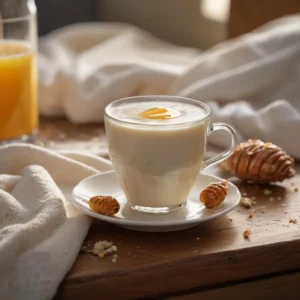
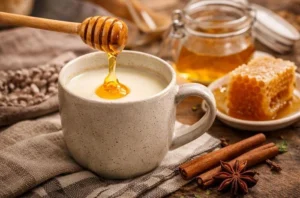
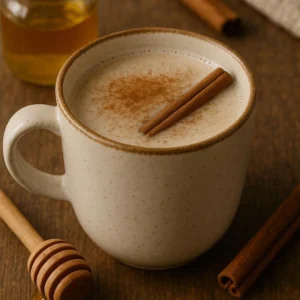
Honey milk is a simple combination of milk and honey. It can be served warm or chilled, depending on preference.
A basic version requires only:
- Milk
- Honey
Some people add cinnamon, vanilla, cardamom, or other spices for additional flavor.
Honey and milk are also included among combinations used in non-alcoholic honey beverages.
Because the recipe is so simple, it can easily be prepared at home without special equipment.
6. Honey Mint Drink – A Refreshing Summer Beverage
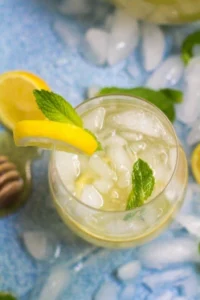
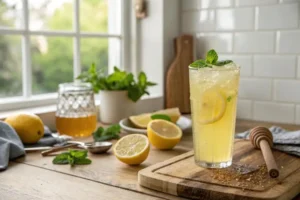
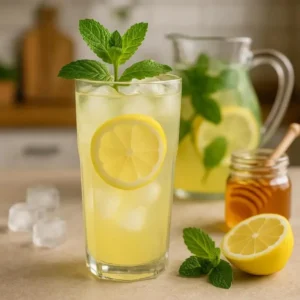
A honey mint drink is a refreshing option for warm weather. Honey provides sweetness while fresh mint gives the drink a cooling aroma.
A simple recipe can include:
- Cold water
- Honey
- Fresh mint leaves
- Lemon juice
- Ice
You can adjust the amount of honey according to taste. The result is a light beverage with a combination of sweet, citrusy, and minty flavors.
7. Honey Fruit Drink – Honey With Fresh Fruit
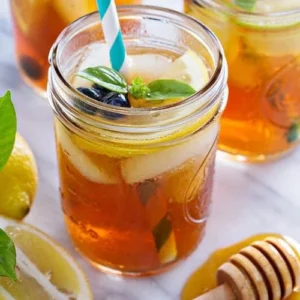
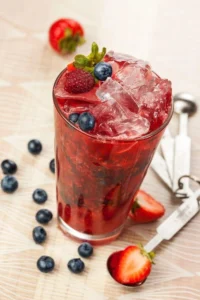
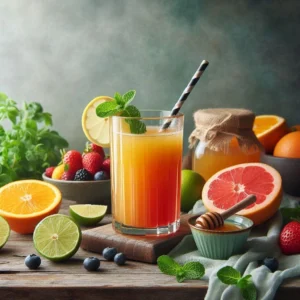
Honey can also be combined with fruit juices or blended fruit to create naturally sweet beverages.
Popular combinations include:
- Honey and lemon
- Honey and orange
- Honey and berries
- Honey and apple
- Honey and pomegranate
The type of honey can change the final flavor significantly. Mild honey works well with delicate fruits, while stronger honey can complement fruits with a more intense taste.
Some traditional fermented honey beverages also incorporate fruit juices or fruits, demonstrating the versatility of honey as a beverage ingredient.
8. Aguamiel – Honey Water in Latin American Tradition
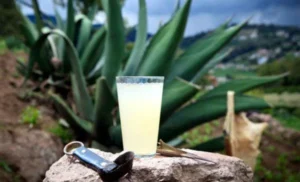
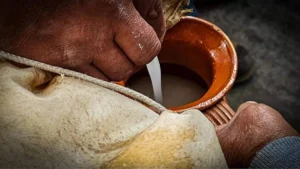
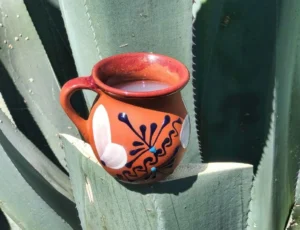
The name aguamiel literally relates to “honey water” and is associated with traditional beverages made from sweet agave sap rather than ordinary bee honey.
This is an important distinction: aguamiel should not automatically be described as a bee-honey drink. The term is connected to agave traditions in Mexico and other parts of Latin America.
Including it in a honey-drink article is useful from a cultural perspective, but readers should understand that its traditional ingredient is agave nectar/sap, not necessarily honey produced by bees.
9. Tej – Ethiopia’s Traditional Fermented Honey Drink
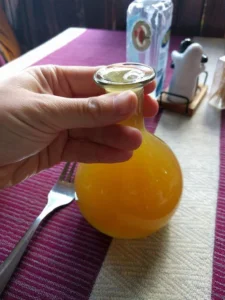
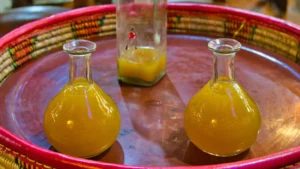
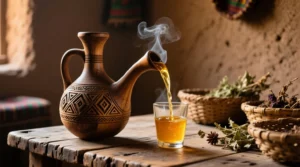
Tej is one of the world’s best-known traditional fermented honey beverages. It is particularly associated with Ethiopia.
Traditional tej is made by fermenting:
- Honey
- Water
- Gesho, a plant traditionally used in the beverage
Research describing African food traditions identifies tej as a major fermented honey beverage in Ethiopia.
Tej has an important cultural role and can be served during social gatherings and celebrations. Because it is fermented and alcoholic, it is completely different from non-alcoholic honey lemon water or honey tea.
For a family-friendly honey website, it is best to clearly identify tej as an alcoholic traditional beverage rather than presenting it as an everyday health drink.
10. Mead – One of the World’s Famous Honey Beverages
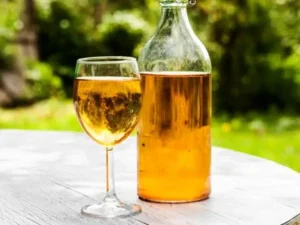

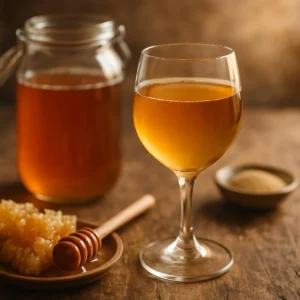
Mead is a fermented alcoholic beverage made primarily from honey and water. Fruits, herbs, spices, or other ingredients may also be added depending on the style.
Mead has a long history across Europe and other parts of the world. Modern honey-beverage research describes mead as a fermented honey drink and notes that honey beverages can be produced in both alcoholic and non-alcoholic forms.
There are many varieties of mead, including versions flavored with:
- Berries
- Apples
- Ginger
- Cinnamon
- Herbs
- Spices
Because mead contains alcohol, it should be clearly separated from the non-alcoholic honey drinks discussed above.
Non-Alcoholic vs. Fermented Honey Drinks
Not every honey drink is the same. One of the easiest ways to understand these beverages is to divide them into two broad categories.
Non-alcoholic honey drinks
Examples include:
- Honey lemon water
- Honey ginger tea
- Honey tea
- Honey milk
- Honey mint drinks
- Honey fruit drinks
- Some forms of sbiten
These can generally be prepared without fermentation.
Fermented honey drinks
Examples include:
- Mead
- Tej
- Other traditional honey beers and fermented honey beverages
Fermentation converts sugars into alcohol, so these beverages should not be confused with ordinary honey-water or honey-tea recipes. Research on African honey traditions specifically documents fermented beverages such as tej and other honey-based drinks.
Why Is Honey Used in So Many Drinks?
Honey is particularly useful in beverages because it dissolves into liquids and provides sweetness together with its own distinctive aroma and flavor.
Unlike ordinary refined sugar, honey can vary considerably depending on its floral source, geographical origin, bee species, and processing. This means the same drink can taste different when prepared with different types of honey.
For example, a light floral honey may create a delicate drink, while a darker honey may provide stronger caramel-like or malty notes.
Are Honey Drinks Healthy?
Honey drinks can be part of a balanced diet, but they should not automatically be considered medicinal beverages.
Honey is primarily a source of sugars, and adding large amounts of honey to drinks can significantly increase their calorie and sugar content.
For everyday consumption, moderation is important.
Also, honey should not be given to infants under 12 months of age because of the risk of infant botulism.
If a honey drink is being promoted for a particular medical condition, it is better to distinguish traditional use from scientifically established medical treatment.
How to Make a Simple Honey Drink at Home
If you want an easy homemade honey beverage, try this basic recipe.
Ingredients
- 1 glass of water
- 1–2 teaspoons of natural honey
- 1–2 teaspoons of fresh lemon juice
- A few fresh mint leaves
- Ice, if desired
Method
- Add honey to a small amount of warm water and stir until dissolved.
- Add the remaining water.
- Mix in fresh lemon juice.
- Add mint leaves.
- Add ice for a cold version.
- Stir well and serve fresh.
You can adjust the amount of honey and lemon according to your taste.
Honey Drinks Around the World: A Quick Comparison
| Honey Drink | Region/Association | Main Ingredients | Alcohol |
|---|---|---|---|
| Honey Lemon Water | Worldwide | Honey, water, lemon | No |
| Honey Ginger Tea | Worldwide | Tea/ginger, honey | No |
| Honey Tea | Worldwide | Tea, honey | No |
| Sbiten | East Slavic traditions | Honey, water, herbs, spices | Traditionally varies |
| Honey Milk | Various cultures | Milk, honey | No |
| Honey Mint Drink | Various regions | Honey, mint, water, lemon | No |
| Honey Fruit Drink | Worldwide | Fruit, honey, water/juice | No |
| Aguamiel | Mexico/Latin America | Agave sap | Traditionally varies |
| Tej | Ethiopia | Honey, water, gesho | Yes |
| Mead | Europe and other regions | Honey, water, yeast | Yes |
Final Thoughts
From a simple glass of honey lemon water to traditional beverages such as sbiten, tej, and mead, honey has played an interesting role in drink traditions around the world.
The most important thing to remember is that “honey drink” does not describe one single type of beverage. Some are simple non-alcoholic refreshments, while others are fermented cultural drinks with alcohol.
For everyday use, simple options such as honey tea, honey ginger water, honey lemon drinks, and honey-mint beverages are easy to prepare at home. Traditional fermented drinks such as tej and mead, meanwhile, are better understood as cultural and historical honey beverages rather than ordinary wellness drinks.
If you’re exploring the world of honey, these drinks also show just how versatile honey can be—not only as a food or sweetener, but as an ingredient deeply connected with tradition, culture, hospitality, and regional food history.
Explore More About Pure Honey
Continue exploring our collection of helpful honey guides to learn more about choosing, using, storing, and enjoying pure natural honey.
-
10 Signs You’re Buying Fake Honey
Learn how to identify common warning signs before purchasing honey. -
How to Test if Your Honey is 100% Pure and Raw at Home
Discover simple ways to better understand the characteristics of genuine honey. -
Raw Honey vs Processed Honey: Which One Is Better?
Compare the differences between raw and processed honey. -
How to Use Honey Every Day: 15 Healthy Ideas
Learn about proper storage, shelf life, and crystallization. -
The Sunnah of Raw Honey: Healing and Health Benefits in Islamic Tradition
Explore the significance of honey in Islamic teachings and tradition.