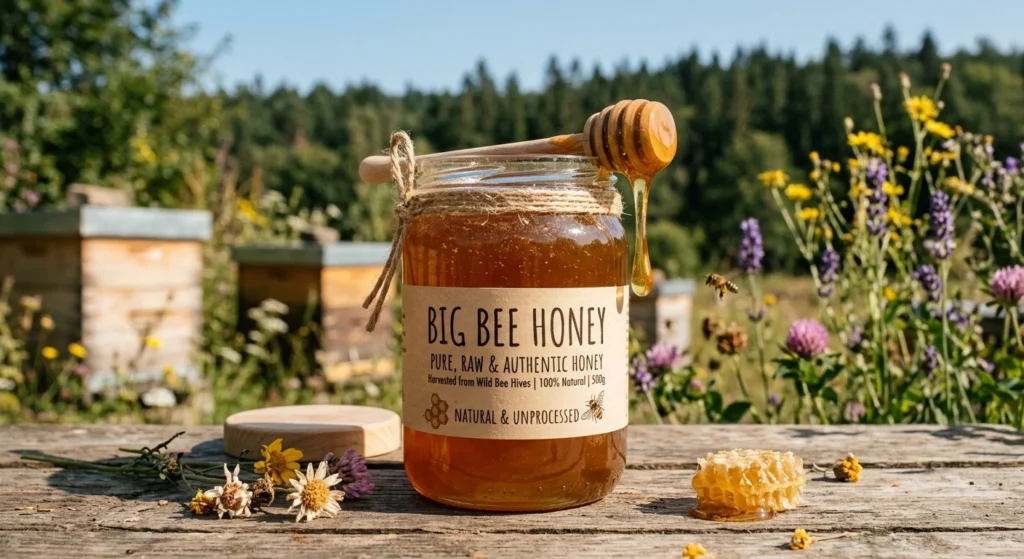
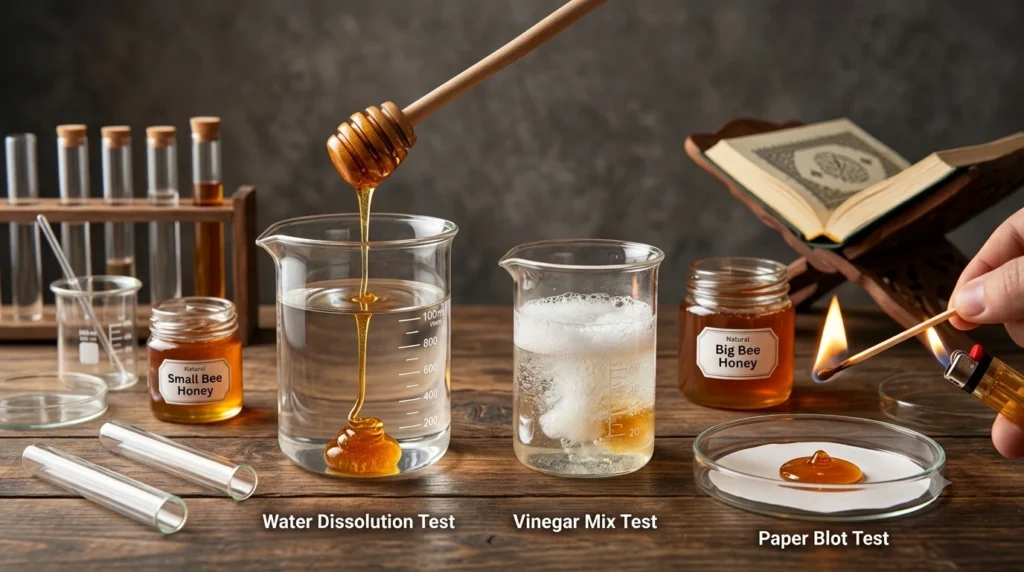
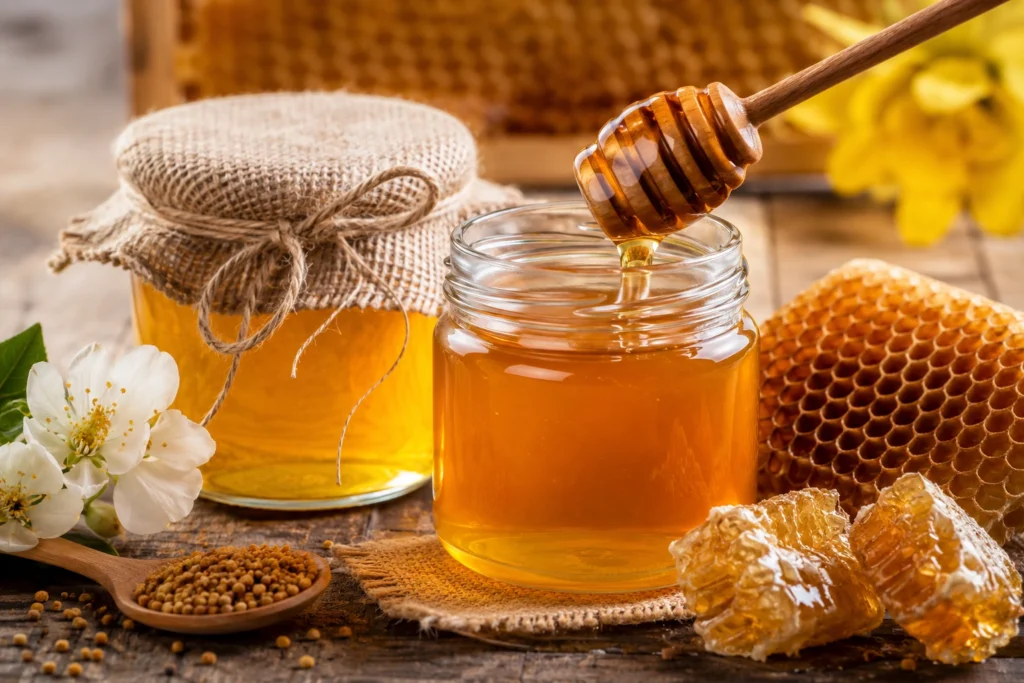
Honey prices can vary dramatically. You may find one jar of honey at a relatively affordable price while another product—especially one marketed as wild, mountain, forest, or single-floral honey—costs considerably more. But why is wild honey more expensive than packaged honey? The answer often comes down to how it is sourced, harvested, processed, and brought to consumers.
Unlike many commercially packaged honey products, wild honey may come from bees that collect nectar from naturally growing plants in forests, mountains, meadows, or other less-controlled environments. Its limited availability, labor-intensive harvesting, and distinctive characteristics can all contribute to a higher price.
Why Is Wild Honey More Expensive?
One of the main reasons why is wild honey more expensive is the difference in how it is obtained. Commercial honey is generally produced through managed beekeeping operations where colonies are kept in controlled locations and honey can be harvested using established equipment and processes.
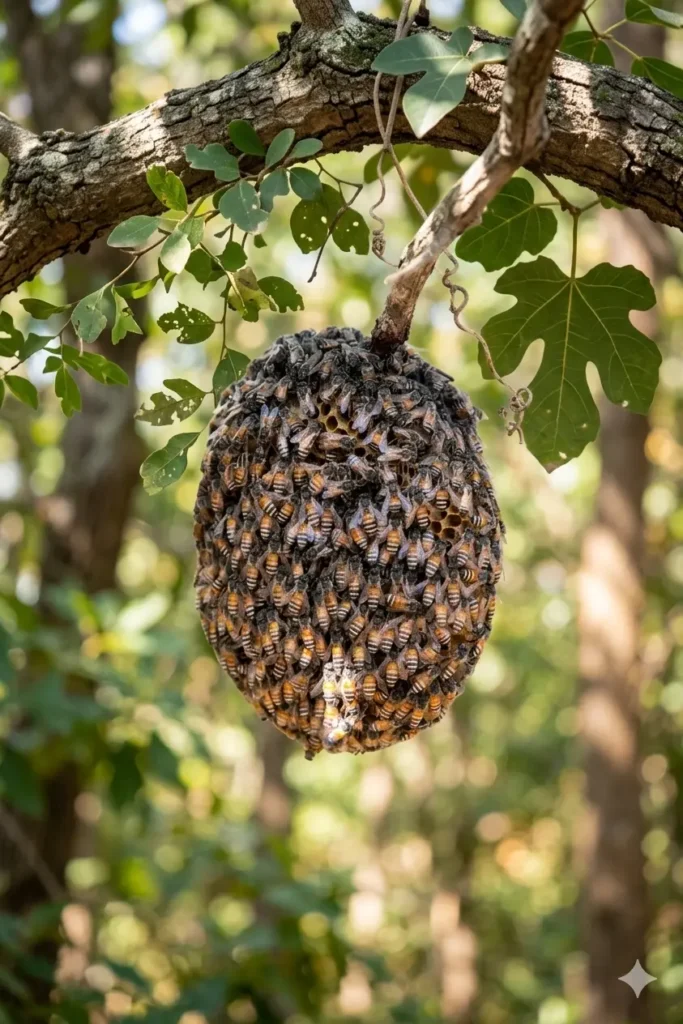
Wild honey, on the other hand, may be collected from naturally occurring bee colonies or from areas where access is more difficult. Harvesters may need to travel to remote locations and spend considerably more time locating and collecting the honey.
This does not automatically mean that every jar of wild honey is better than packaged honey. Instead, the higher price can reflect the additional effort, limited supply, and sourcing conditions involved.
How Is Wild Honey Collected?
The harvesting process is another important factor in understanding why is wild honey more expensive.
Commercial beekeepers can manage their hives in designated apiaries, making regular inspection and harvesting more predictable. Wild honey collection can be less predictable because natural colonies may be located in trees, rocky areas, forests, or other difficult-to-reach places.
Depending on the location and harvesting method, collecting wild honey may require:
- Finding naturally established bee colonies
- Reaching remote or difficult locations
- Carefully removing honeycomb
- Transporting the honey from the collection site
- Filtering or straining the honey
- Using additional labor for small-batch processing
When more time and physical effort are required to collect a product, those costs can eventually be reflected in its retail price.
Limited Supply Can Increase the Price
Supply is another major part of the answer to why is wild honey more expensive than many packaged varieties.
Commercial honey production can operate on a relatively large scale. Beekeepers can maintain numerous colonies and harvest honey according to seasonal conditions and hive production. This makes it easier for suppliers to maintain a consistent supply.
Wild honey is often less predictable. The amount available can depend on factors such as:
- Weather conditions
- Flowering seasons
- Local vegetation
- Bee colony activity
- Geographic location
- Accessibility of natural colonies
If a particular type of wild honey is available only in limited quantities, sellers may charge more for it. Some varieties may also be associated with specific regions or plant sources, making them more specialized products.
Why Is Wild Honey More Expensive to Harvest?
Labor is an important part of the price of many food products, and honey is no exception.
Harvesting honey from managed hives can be organized around established equipment and routines. Wild honey collection may involve more searching, travel, manual work, and transportation.
In some cases, harvesting from natural colonies can also require additional precautions because the bees and their colonies are not positioned for easy access.
This is another reason why is wild honey more expensive in some markets. The final price may include not only the honey itself but also the time, equipment, transportation, and labor required to collect and prepare it.
Wild Honey Can Have Distinctive Characteristics
Another reason consumers may pay more for wild honey is its distinctive character.
The flavor, aroma, color, and texture of honey can vary depending on the flowers and plants from which bees collect nectar. When bees forage across naturally occurring vegetation, the resulting honey may have a flavor profile that differs from honey produced in areas dominated by particular crops.
For example, honey can have floral, herbal, earthy, or mildly woody notes depending on its botanical and geographic source.
However, flavor differences should not be confused with proof of superior nutritional quality. A higher price does not automatically mean that one honey is healthier or more nutritious than another.
Wild Honey vs. Packaged Honey
The difference between wild and packaged honey is not always as simple as “natural versus processed.” In fact, wild honey can also be filtered, strained, bottled, and packaged before reaching consumers.
Packaged honey is often produced and prepared for consistent commercial distribution. Manufacturers may use standardized containers, labeling, processing systems, and supply chains that help keep costs predictable.
Wild honey is often marketed around its origin, limited availability, or traditional harvesting methods. These factors can give it a premium position in the market.
| Feature | Wild Honey | Packaged Honey |
|---|---|---|
| Source | Often associated with natural environments | Usually sourced through managed beekeeping or commercial suppliers |
| Availability | May be limited or seasonal | Generally more consistent |
| Harvesting | Can require more manual effort | Often uses established commercial methods |
| Flavor | May vary considerably by location and plants | Often more consistent |
| Production scale | Frequently smaller-scale | Often larger-scale |
| Price | Can be higher | Often more affordable |
The comparison also explains why is wild honey more expensive without suggesting that packaged honey is necessarily inferior.
Does Processing Affect Honey Prices?
Processing and packaging can also influence the final price of honey.
Once honey is collected, it may need to be strained or filtered before being placed into jars. Commercial producers can perform these processes on a large scale, which can reduce the cost per unit.
Small-scale wild honey producers may work with smaller batches. Packaging, transportation, storage, labeling, and distribution can therefore represent a larger portion of the final selling price.
The exact processing method varies from producer to producer, so consumers should check the product label and seller information when comparing different types of honey.
Why Is Wild Honey More Expensive in Some Regions?
Location can make a significant difference to honey prices.
Honey collected from remote forests, mountains, or other difficult-to-access areas can involve higher transportation and labor costs. In addition, certain regions may develop a reputation for particular honey varieties.
When consumers specifically seek honey associated with a certain geographic area, demand can increase while supply remains limited.
This combination of location, availability, transportation, and consumer demand can help explain why is wild honey more expensive in one market than another.
Is Wild Honey Worth the Higher Price?
Whether wild honey is worth its higher price depends largely on what you value as a consumer.
Someone who enjoys distinctive flavors, small-batch products, traditional harvesting methods, or honey associated with a particular region may consider the additional cost worthwhile.
Another consumer may simply want good-quality honey at an affordable price and prefer a commercially packaged product.
Price alone should not be used as proof of quality. When choosing honey, it is useful to consider the source, labeling, reputation of the seller, ingredients, production practices, and overall value.
How to Choose Quality Wild Honey
If you are considering buying wild honey, there are several things worth checking before making a purchase.
Check the Source
Look for information about where the honey was collected and who produced it. Specific sourcing information can make it easier to understand what you are buying.
Read the Label
Check the ingredient list and product description. If you are looking for pure honey, make sure the product is clearly labeled and does not contain unnecessary added ingredients.
Consider the Harvesting Claims
Terms such as “wild,” “forest,” “mountain,” or “raw” can have different meanings depending on the producer and market. Look for specific information rather than relying only on marketing language.
Compare Prices Carefully
A high price does not automatically indicate higher quality. Compare the quantity, source, production method, and seller reputation before deciding whether a product offers good value.
Frequently Asked Questions
Why is wild honey more expensive than regular honey?
Why is wild honey more expensive than regular honey? It can be because of limited supply, difficult harvesting locations, additional labor, transportation costs, and consumer demand for specialty products.
Is wild honey healthier than packaged honey?
Not necessarily. The term “wild” describes sourcing or production characteristics and does not by itself prove that honey has greater nutritional benefits. The nutritional profile can vary depending on the honey and its processing.
Does wild honey taste different from packaged honey?
It can. Honey flavor depends on the plants from which bees collect nectar, as well as geographic and seasonal factors. Wild honey may therefore have a distinctive flavor compared with more standardized commercial honey.
Why does some wild honey cost so much?
Some wild honey comes from limited or difficult-to-access sources. Small-batch production, labor, transportation, geographic origin, and demand can all contribute to a higher retail price.
Is expensive honey always better?
No. Price is not a guarantee of quality. A more expensive honey may reflect its sourcing, rarity, harvesting method, packaging, or brand positioning rather than a universally superior quality.
Final Thoughts
So, why is wild honey more expensive than packaged honey? In many cases, the difference comes down to sourcing, availability, harvesting conditions, labor, transportation, and the way the product is marketed and sold.
Wild honey can offer distinctive flavors and an interesting connection to its geographic and botanical origins, while packaged honey can provide consistency, accessibility, and affordability. The best choice ultimately depends on your preferences, budget, and the information available about the product.
If you are comparing two jars of honey, look beyond the price tag. Consider where the honey came from, how it was collected, how it was processed, and what the producer tells you about the product. This gives you a much clearer picture of what you are actually paying for.
Explore More About Pure Honey
Continue exploring our collection of helpful honey guides to learn more about choosing, using, storing, and enjoying pure natural honey.
-
10 Signs You’re Buying Fake Honey
Learn how to identify common warning signs before purchasing honey. -
How to Test if Your Honey is 100% Pure and Raw at Home
Discover simple ways to better understand the characteristics of genuine honey. -
Raw Honey vs Processed Honey: Which One Is Better?
Compare the differences between raw and processed honey. -
How to Use Honey Every Day: 15 Healthy Ideas
Learn about proper storage, shelf life, and crystallization. -
The Sunnah of Raw Honey: Healing and Health Benefits in Islamic Tradition
Explore the significance of honey in Islamic teachings and tradition.
🍯 Trusted Guides on Wild vs. Commercial Honey
Bee Culture (Honey Industry Insights)
Detailed breakdown of wild harvesting risks, labor-intensive extraction, and commercial honey yield comparisons.
Healthline (Nutritional & Raw Honey Analysis)
Scientific study comparing pollen retention, antioxidants, and processing differences in raw vs. ultra-filtered honey.
USDA Food Safety & Inspection (Honey Grading)
Official standards explaining ultra-pasteurization, commercial blending techniques, and purity testing requirements.