If you are wondering how to attract wild honey bees to your property, you can make your land more appealing by providing the things bees naturally need: food, water, shelter, and a safe environment. Planting bee-friendly flowers, providing a clean water source, setting up a suitable bait hive, and reducing unnecessary pesticide use can all help make your property more attractive to passing honey bees and swarms.
While there is no guaranteed way to make a wild bee colony move onto your property, creating a bee-friendly habitat can increase the chances of attracting scout bees or a swarm looking for a suitable place to establish a colony.
1. Plant Bee-Friendly Flowers
One of the easiest ways to attract honey bees is to provide a reliable source of nectar and pollen.
Consider planting a variety of flowering plants so that bees have access to food during different seasons. Depending on your local climate, suitable choices may include:
- Sunflowers
- Marigolds
- Basil and other flowering herbs
- Lavender
- Fruit trees
- Jujube (ber) trees
- Neem and other locally flowering trees
- Other native flowering plants
Native plants are particularly valuable because local pollinators are often well adapted to them.
Instead of planting only one type of flower, try to create a garden with different plants that flower at different times of the year. This can provide bees with a more consistent food supply.
2. Provide a Safe Water Source
Honey bees need water, especially during hot weather.
You can create a simple bee-friendly water station using a shallow container filled with clean water. Place small stones, pebbles, or pieces of wood in the container so that bees have safe places to land while drinking.
Keep the water fresh and refill it regularly.
A water source should be placed somewhere quiet and away from areas where people frequently walk.
3. Install a Bait Hive or Empty Bee Box
If your goal is to encourage a wild swarm to establish a colony on your property, you can provide a suitable bait hive or empty bee box.
The box should be placed in a relatively quiet, sheltered location. Ideally, it should be protected from heavy rain and extreme weather while still providing bees with a clear entrance.
Avoid placing the hive directly beside:
- House entrances
- Children’s play areas
- Busy walkways
- Areas with frequent human activity
- Locations where pesticides are regularly used
The idea is to give a passing swarm a suitable nesting option rather than trying to force bees into the box.
4. Use Beeswax to Make a Hive More Attractive
Experienced beekeepers sometimes use old, clean beeswax or propolis to make an empty hive more appealing to scout bees.
The natural scent can help make the box resemble a previously occupied bee nest.
However, avoid using material that is moldy, contaminated, or exposed to pesticides. Poor-quality material can introduce problems into a new colony.
5. Reduce Unnecessary Pesticide Use
If you want to attract bees and other pollinators, reducing unnecessary pesticide use is important.
Some pesticides can harm bees directly or reduce the availability of safe food sources. Where possible, consider non-chemical pest-control methods and targeted treatments instead of routinely spraying flowering plants.
If pesticide treatment is necessary, follow the product’s instructions carefully and take measures to minimize exposure to pollinators.
6. Give Scout Bees a Quiet Environment
When a swarm is looking for a new home, scout bees may investigate potential nesting locations.
If you notice bees inspecting an empty hive or another suitable location, avoid disturbing them unnecessarily.
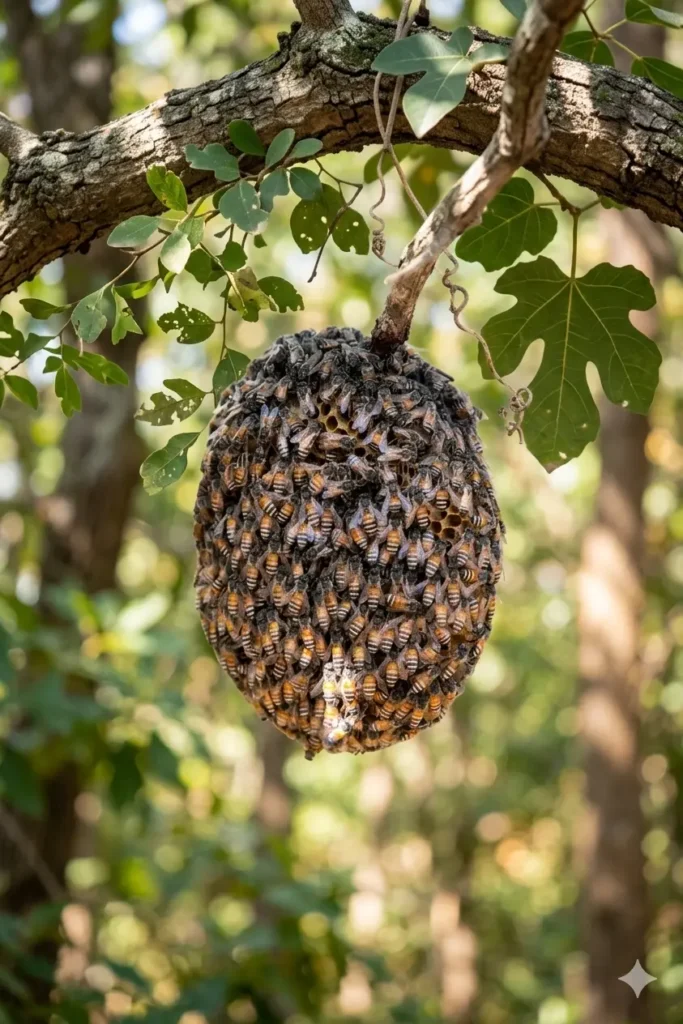
A swarm may also temporarily gather on a tree branch, wall, roof, or other structure while searching for a permanent nesting site. This does not necessarily mean that the bees have chosen that location permanently.
Can You Guarantee That Wild Bees Will Move Onto Your Property?
No. There is no guaranteed method for attracting a wild honey bee colony.
Bees choose their nesting location based on several factors, including:
- Availability of food
- Water sources
- Suitable nesting cavities
- Weather conditions
- Local bee populations
- The size and condition of the potential nesting site
You can make your property more attractive, but ultimately the bees decide whether the location is suitable.
What If Bees Establish a Colony?
If bees successfully establish a colony in your bait hive, avoid disturbing them unnecessarily.
If your goal is to produce honey, manage the colony, or expand your beekeeping operation, it is best to work with an experienced beekeeper. Successful beekeeping involves much more than simply placing a box outside. Regular hive inspection, disease prevention, colony management, and responsible honey harvesting are all important.
What If Bees Build a Colony in Your House or Roof?
A wild colony can sometimes establish itself inside a wall cavity, roof space, tree, chimney, or another protected structure.
If the colony is located close to people or in an area where it could become a safety concern, do not attempt to remove it yourself.
Instead, contact an experienced beekeeper or professional bee-removal service that can assess the situation and, where possible, relocate the colony safely.
Final Thoughts
Attracting wild honey bees is less about forcing bees to live on your property and more about creating an environment where they want to stay.
A combination of flowering plants, a safe water source, suitable nesting space, reduced pesticide exposure, and a quiet environment can make your property more attractive to honey bees.
If a nearby swarm is searching for a new home, it may eventually choose your bee box or another suitable nesting site.
And if your ultimate goal is reliable honey production, establishing a properly managed beehive with the help of an experienced beekeeper is generally more predictable than relying entirely on wild swarms.
Explore More About Pure Honey
Continue exploring our collection of helpful honey guides to learn more about choosing, using, storing, and enjoying pure natural honey.
-
10 Signs You’re Buying Fake Honey
Learn how to identify common warning signs before purchasing honey. -
How to Test if Your Honey is 100% Pure and Raw at Home
Discover simple ways to better understand the characteristics of genuine honey. -
Raw Honey vs Processed Honey: Which One Is Better?
Compare the differences between raw and processed honey. -
How to Use Honey Every Day: 15 Healthy Ideas
Learn about proper storage, shelf life, and crystallization. -
The Sunnah of Raw Honey: Healing and Health Benefits in Islamic Tradition
Explore the significance of honey in Islamic teachings and tradition.
Further Reading & Trusted Sources
Want to learn more about sustainable beekeeping, pollinator-friendly habitats, and protecting honey bees? Explore these resources from established organizations:
These external resources are provided for additional educational information and are not a substitute for professional beekeeping advice.